
skip to main content

How Often Should You Clean Your Dryer Vent in Virginia?

A wet basement in your Chesterfield home isn't just an inconvenience – it's a flashing red light signaling a deeper issue. Left unaddressed, persistent moisture can lead to serious problems like foundation damage, unhealthy mold growth, and ruined personal property. With Virginia's often unpredictable weather and our region's water-retentive clay soils, moisture intrusion is a common concern for local homeowners.
But what's truly behind the water in your basement? In this post, we'll break down the most frequent causes of basement water problems in Chesterfield and explain what you can do to stop them for good. 
Whether you've noticed puddles on the floor, mysterious water stains on the walls, or just that familiar musty smell, this guide will help you identify the issue – and find a lasting fix.
What’s Best for Your Basement?

If you’re dealing with basement water problems, like damp walls, musty smells, or visible leaks, getting the right waterproofing system in place is essential. But as you start researching solutions, you’ll probably run into two common options: interior waterproofing systems and exterior excavation methods.

Both approaches are designed to address basement water issues, but they take very different paths to get there. One works from the outside in, while the other works from the inside out. And depending on your home’s layout, soil conditions, and drainage challenges, one method may make more sense than the other.

At Kefficient, we specialize in interior systems because they offer strong, long-term results without the disruption or cost of digging around your foundation. In this comparison, we’ll walk through how each option works and help you figure out which one is right for your home.

What Is Exterior Waterproofing?

Exterior waterproofing is built around the idea of stopping water before it ever reaches your basement walls. It’s a large-scale solution that involves excavating the ground around your home, sealing the outside of the foundation, and adding drainage to help direct groundwater away from the structure.

While this approach can be effective in the right situation, it’s not a small project. The process often requires tearing out landscaping, walkways, or even sections of driveway to access the full perimeter. That makes it time-consuming, costly, and difficult to revisit if maintenance is ever needed.

Typical features of an exterior waterproofing system include:

  • Deep excavation around the full foundation

  • A waterproof membrane or sealant is applied to the exterior wall

  • Drain tile or perforated piping is installed at the footing level

  • Protective layers, such as a drainage board, to guide water down and out

  • Gravel backfill and soil grading to direct surface runoff

In short, it’s a full rebuild of the ground around your home. It works, but it’s not always the most practical option, especially when there are interior systems that solve the same problem with far less disruption.

What Is Interior Waterproofing?

Interior waterproofing works by managing water from the inside of your home before it can cause damage. Instead of blocking water outside the foundation, this method creates a pathway to capture and remove it once it seeps in. It’s less invasive, easier to maintain, and typically much more cost-effective than digging around your home.

At Kefficient, we design interior systems that fit your home’s unique conditions. Whether you’re dealing with a damp wall or a serious water intrusion issue, we use proven techniques to keep your basement dry and make sure the fix lasts.

Interior waterproofing systems may include:

  • A perimeter drainage system is installed at the base of your basement walls

  • A sealed sump basin with a reliable sump pump

  • Optional battery backup systems for added protection during outages

  • Interior wall liners or vapor barriers to guide moisture into the system

  • Professional-grade dehumidifiers to reduce humidity and prevent mold

  • Applied waterproofing coatings on interior walls for added surface protection

Because everything is installed from the inside, there’s no need to disturb your yard, and service components remain accessible if they ever need maintenance.

Interior vs. Exterior Waterproofing: Side-by-Side

If you’re trying to decide which waterproofing method is right for your home, here’s how interior and exterior systems compare across the things that matter most:

Category

Exterior Waterproofing

Interior Waterproofing

Approach

Stops water before it reaches the foundation wall.

Manages water after it enters and removes it before it spreads.

Installation Process

Requires full excavation, wall sealing, and drain installation on the outside.

Installed from inside with drainage channels, sump pump, and vapor control.

Impact on Home

Disrupts landscaping, patios, or driveways during installation.

No damage to the yard or exterior, everything stays inside.

Cost

Typically, more expensive due to labor and restoration needs.

More budget-friendly for most homeowners.

Timeline

Can take several days to complete, depending on access and weather.

Often finished in 1–2 days with minimal disruption.

Maintenance Access

Difficult to service and may require re-digging.

Easy to inspect and maintain over time.

Best Fit For

New builds or homes already undergoing exterior foundation work.

Existing homes with water intrusion, wall seepage, or damp floors.

Which Option Is Right for Your Home?

Both interior and exterior waterproofing can solve basement water problems, but for most homes in Virginia, interior systems are the more practical choice. They’re less invasive, easier to maintain, and far more affordable than full foundation excavation.

Exterior methods may be worth considering during new construction or if major foundation work is already planned. But when you’re dealing with signs of moisture, wall seepage, or standing water in an existing home, an interior system gives you a faster, cleaner fix without turning your yard into a construction site.

At Kefficient, we take the time to inspect your basement, identify the source of the issue, and explain your options clearly. We’ll never recommend more than you need, just honest guidance, skilled installation, and a waterproofing system that’s built to last.

Ready for a Basement That Stays Dry?

If water is showing up where it shouldn’t, on your basement floor, along the walls, or in the air you breathe, it’s time to get it fixed. At Kefficient, we design interior waterproofing systems that solve the problem for good, without the cost or disruption of digging up your yard.

Our team will assess the issue, walk you through your options, and build a solution that fits your home and your budget. No guesswork. No pressure. Just clear answers and quality work.

Schedule your free inspection today and take the first step toward a dry, healthy basement.

lint-trap-cleaning

Recommended Cleaning Frequency

So, how often should you clean your dryer vent?

The general rule is at least once a year. However, depending on your home’s setup and usage, more frequent cleanings might be necessary.

  • Annual cleaning is sufficient for most average households.
  • Every 6 months is better for homes that do laundry multiple times per week, especially with large families.

Quarterly cleaning may be necessary for properties with high dryer use, such as rental homes or those with pets.

Factors That Affect Cleaning Needs

Dryer vent maintenance isn’t one-size-fits-all. Here are some variables that affect how often you should clean:

Household size and laundry habits

The more laundry you do, the faster lint builds up. If your dryer runs daily, consider a biannual cleaning schedule.

Vent material and length

Long or flexible plastic vent tubing can trap more lint than short, rigid metal ducts. Homes with older or complex vent layouts need more frequent checks.

Pets and allergens

Homes with pets tend to accumulate more fur and dander, which can clog vents faster. Regular vent cleaning also helps improve indoor air quality if allergies are an issue.

    Warning Signs Your Dryer Vent Needs Cleaning

    Not sure if your vent is due for service? Here are a few red flags:

    Longer drying times

    If your clothes are taking more than one cycle to dry, restricted airflow is often the culprit.

    Burning smells or heat buildup

    A burning smell or excessively hot dryer top can indicate lint buildup that could ignite.

    Visible lint or debris at vent opening

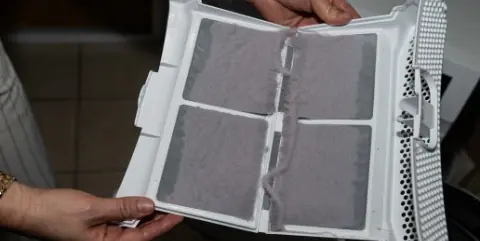
    Check the exterior vent. If you see lint, it’s likely the line is full.

    Local Considerations for Virginia Homes

    Virginia homeowners face unique factors that make dryer vent cleaning even more important:

    • Richmond & Fredericksburg: Seasonal humidity increases lint clumping, which can block vent airflow.
    • Charlottesville: Older homes often have long, winding vent lines that trap debris.
    • Chesterfield: Larger suburban homes may have vents running through attics or crawl spaces, which are harder to monitor.

    No matter where you live in Virginia, routine dryer vent cleaning helps prevent problems before they start.

      Dryer vent cleaning | Kefficient | Richmond, VA
      video-kefficient-customer-testimonial

      Professional vs DIY: What’s Right for You?

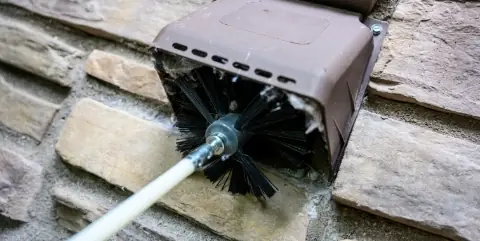
      While it’s possible to clean a dryer vent yourself using a store-bought brush or vacuum kit, hiring a professional ensures the job is done thoroughly and safely. At Kefficient, we use specialized tools to clean every inch of the vent line—not just the areas you can reach.

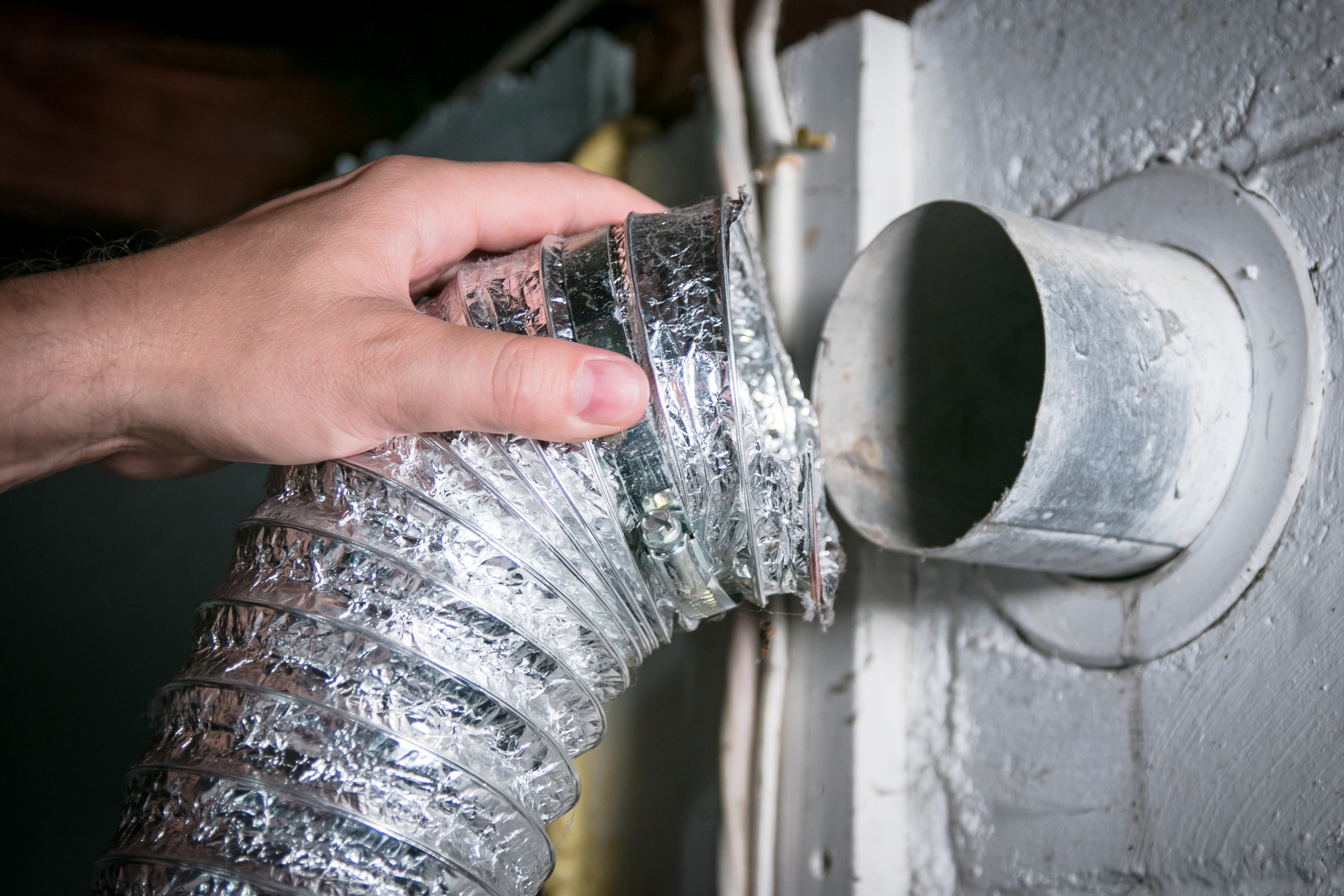
      Professional cleaning is also faster and helps identify other issues, such as duct damage or disconnected fittings, which are common in older homes or after renovations.

          Schedule Dryer Vent Cleaning with Kefficient

          Routine dryer vent cleaning is a small investment that delivers big benefits: safer operation, better energy efficiency, and peace of mind.

          Whether you’re in Richmond, Charlottesville, Chesterfield, or Fredericksburg, Kefficient is your local expert for thorough, professional dryer vent cleaning.

          Don’t wait until there’s a problem. Schedule your dryer vent cleaning today and keep your home safe, efficient, and worry-free.

            Dryer Vent Cleaning in Virginia: Frequently Asked Questions

            How do I know if my dryer vent needs cleaning?

            Common signs include longer drying times, a hot dryer surface, a burning smell during operation, and visible lint buildup around the vent opening. If you notice any of these, it’s time to schedule a cleaning.

            Is it dangerous to skip dryer vent cleaning?

            Yes. Clogged dryer vents are a leading cause of house fires in the U.S. Neglecting cleaning can also reduce dryer efficiency and increase energy bills.

            Can I clean my dryer vent myself?

            You can clean parts of the vent using a brush or vacuum attachment, but a professional cleaning ensures the entire system—including hard-to-reach areas—is properly cleared.

            How often should I clean my dryer vent if I have pets?

            If you have pets that shed, lint and dander accumulate faster. We recommend cleaning every 6 months to maintain airflow and reduce allergens.

            Does Kefficient offer dryer vent cleaning near me?

            Yes! Kefficient provides professional dryer vent cleaning in Richmond, Charlottesville, Chesterfield, Fredericksburg, and nearby areas. View our service areas here.

            Don’t Wait for a Flood Take Control Today!


            Worried about water in your Chesterfield basement? Let our local experts help you find a lasting solution. Schedule a free, no-obligation inspection with Kefficient today and protect your home from future water damage. Your dry, healthy basement awaits!