

skip to main content

Top 5 Signs Your Dryer Vent Needs Cleaning – Especially in Humid Climates Like Richmond

As a homeowner in Richmond, you know how important it is to maintain your property. One often-overlooked task that's crucial for both safety and efficiency is dryer vent cleaning. In a humid climate like ours, lint and moisture combine, creating a higher risk of clogs, decreased dryer efficiency, and, most importantly, a serious fire hazard.

Regular dryer vent cleaning isn't just about good maintenance; it's a critical safety measure, especially for homes in Richmond, Chesterfield, Charlottesville, Fredericksburg, and other humid areas across Virginia.

So, how do you know when it’s time to schedule a professional dryer vent cleaning? Here are five common warning signs to look out for:

Quick Summary

  • Richmond’s hot-humid climate classification and clay soil create crawl space moisture conditions that begin building in early spring, well before summer arrives
  • Foundation vents designed to dry out crawl spaces actually pull humid outdoor air into cooler spaces in Richmond’s climate, making moisture problems worse
  • Unencapsulated crawl spaces in Richmond are vulnerable to wood rot, mold growth, and pest activity during spring and summer humidity cycles
  • The stack effect pulls air continuously from the crawl space into living areas, bringing mold spores, musty odors, and humidity with it
  • Encapsulation seals ground moisture out, closes foundation vents, and with a crawl space dehumidifier keeps humidity below the threshold where mold and wood damage occur
  • April and May are the right time to inspect and encapsulate before peak Richmond humidity arrives in June

Spring Humidity Is Coming: What Richmond Homeowners Should Do Now

Richmond homeowners know what summer feels like, but spring is when the damage starts. The ground is still wet from winter rain, temperatures are climbing, and the humidity that defines a Richmond summer is already building. If your crawl space isn’t sealed, that moisture has a direct path into your home. A musty smell on the first floor, floors that feel soft near the edges of rooms, an air conditioner that runs longer than it used to. These aren’t random. They trace back to what’s happening underneath the house, and they tend to get worse from here if nothing changes.

Why Richmond Springs Are Hard on Crawl Spaces

Richmond sits in a hot-humid climate classification, which means the region doesn’t get a real dry season. Spring arrives wet, the soil stays saturated from winter rainfall well into April, and humidity begins climbing before most homeowners think to pay attention to it. The clay soil that underlies much of the Richmond metro holds moisture rather than draining it, which means the ground beneath a crawl space stays damp long after the last rain.

Foundation vents compound the problem in a way that surprises a lot of homeowners. They were standard practice for decades, built into homes across Richmond under the assumption that outside air would dry out the crawl space. In a dry climate that logic holds. In Richmond, opening a foundation vent in spring means pulling warm, humid outdoor air into a cooler crawl space. That air hits the cooler surfaces and condenses. The vent designed to dry things out is doing the opposite.

Older neighborhoods add another layer of vulnerability. Homes in areas like The Fan, Church Hill, and Shockoe Bottom were built on shallow foundations that sit close to the ground and were never designed with modern moisture control in mind. The crawl spaces in these homes are low, often poorly ventilated, and directly exposed to soil that has been holding Richmond’s groundwater for generations. Spring is when that exposure becomes a problem you can measure.

What Humidity Does to an Unencapsulated Crawl Space

An unencapsulated crawl space in Richmond has no defense against rising spring humidity. The wood framing, insulation, and subfloor are in direct contact with whatever air moves through, and when that air stays damp for weeks at a time, the damage accumulates. Mold doesn’t need standing water to get started, just consistent humidity above the threshold where spores colonize surfaces. Pests follow the same conditions, drawn to damp wood and the shelter a wet crawl space provides. Here’s what that looks like in practice:

  • Floor joists and subfloor panels absorb moisture when humidity stays elevated, causing wood to swell, weaken, and eventually rot, which shows up as soft or springy spots in the floor above
  • Fiberglass batt insulation between the joists collects moisture and the paper backing provides a food source for mold, making it one of the first places damage shows up
  • Mold colonizes wood framing and insulation surfaces when relative humidity holds above roughly 60 percent, which a Richmond crawl space in spring routinely exceeds
  • Termites, carpenter ants, and rodents are attracted to damp wood, and an active pest problem can compound the structural damage that moisture starts
  • HVAC ductwork running through the crawl space is exposed to the same humid air, and condensation on ducts reduces system efficiency and creates additional moisture surfaces

Once mold establishes itself in a crawl space it doesn’t clear out when conditions improve. The spores remain, and the next wet season picks up where the last one left off.

Schedule your free inspection with Kefficient

How Crawl Space Moisture Affects the Rest of Your House

Warm air rises through a home continuously, pulling air upward from the lowest point of the structure as it escapes through the upper levels. In a home with an unencapsulated crawl space, that means whatever is happening underneath the floors is being drawn into the rooms where your family spends time. This is called the stack effect, and in Richmond’s climate it runs continuously through the warm months. Here’s where homeowners tend to notice it first:

  • A musty smell on the first floor that seems to have no clear source, particularly in rooms near exterior walls or over the crawl space access point
  • Allergy symptoms that are worse at home than outside, especially when the HVAC is running, which points to mold spores and allergens being pulled up from below and circulated through the duct system
  • Energy bills that climb faster than expected in spring and early summer, reflecting an air conditioner working harder to dehumidify air that is being continuously replenished with moisture from below
  • Soft spots or slight bounce in the floor, visible gaps between flooring and baseboards, or floors that feel uneven in areas over the crawl space
  • Condensation on windows or interior surfaces during mild weather, which indicates that humidity levels inside the home are higher than they should be

None of these symptoms resolve on their own as long as the crawl space is open to Richmond’s spring and summer humidity. They tend to get worse each season until the source is addressed.

What Crawl Space Encapsulation Actually Does

Encapsulation changes the crawl space from an uncontrolled outdoor environment into a sealed, conditioned space. The process starts with a heavy-duty vapor barrier installed across the floor and up the foundation walls, sealing the soil so ground moisture can no longer evaporate upward into the framing. Foundation vents are closed off, which in Richmond’s climate is the right call. As established earlier, those vents pull humid outdoor air into a cooler space where it condenses rather than drying anything out. Closing them removes that moisture source entirely.

A dehumidifier designed for crawl space conditions manages whatever humidity remains. Unlike a standard unit, a crawl space dehumidifier is built to run in cooler temperatures and handle the sustained moisture load that a Richmond spring and summer puts on the space. The goal is keeping relative humidity consistently below the threshold where mold can grow and wood stays dry season after season.

The difference this makes to the rest of the house is direct. With the crawl space sealed and humidity controlled, the stack effect stops pulling damp air upward. The HVAC system is no longer competing with a continuous moisture source. The wood framing stops cycling through wet and dry seasons. For homes in older Richmond neighborhoods where shallow foundations have been exposed to ground moisture for decades, encapsulation doesn’t reverse existing damage, but it stops the process and gives the structure a stable environment going forward.

What Richmond Homeowners Should Do Before Summer Arrives

The window between now and peak humidity is short. By June the outdoor dew point in Richmond is high enough that an unencapsulated crawl space is already losing the battle, and the damage from one summer compounds into the next. April and May are the right time to schedule a crawl space inspection, get a clear picture of what’s down there, and address anything that needs attention before the heat sets in.

If mold is already present, it needs to be remediated before encapsulation. Sealing over an active mold problem doesn’t resolve it. If there’s no vapor barrier, or an older thin sheet that has shifted and torn over the years, encapsulation is the right next step. A crawl space dehumidifier is worth adding in either case, particularly for homes over clay soil or in low-lying parts of the Richmond metro where ground moisture runs high.

Schedule Your Free Crawl Space Inspection Before Summer

Kefficient serves homeowners across Richmond and the surrounding area with crawl space repair, encapsulation, and mold remediation. If your crawl space hasn’t been inspected recently, spring is the right time to find out what’s down there before peak humidity makes the situation harder to manage.

Schedule your free inspection with Kefficient and get ahead of Richmond’s summer before it gets into your home.

lint-trap-cleaning

1. Clothes Take Too Long to Dry

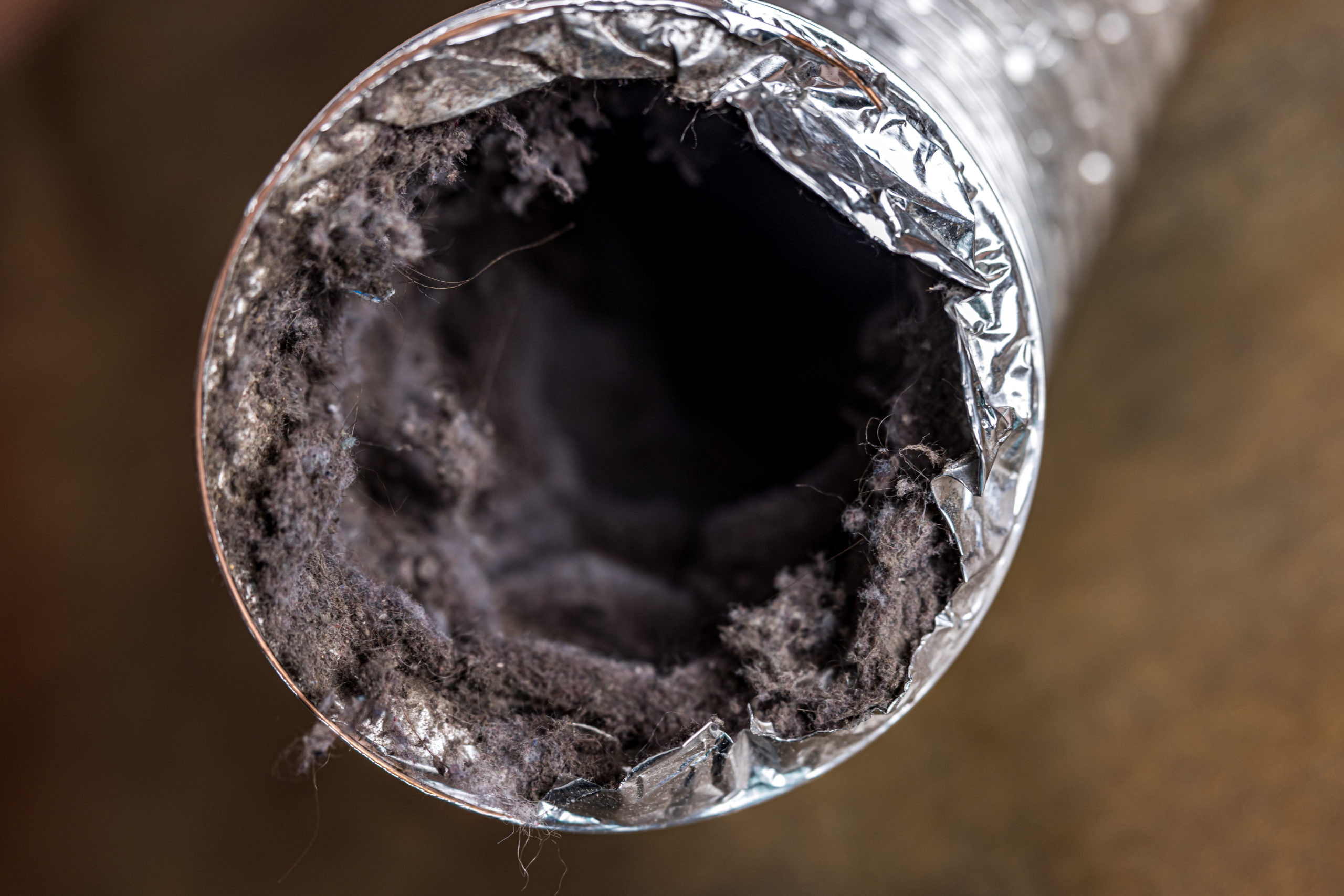
Are your clothes still damp after a full drying cycle, or do you find yourself running the dryer multiple times for one load? This is a strong indicator that your dryer vent may be partially or completely blocked. 

A clogged vent restricts airflow, forcing your dryer to work harder and longer. This not only wastes energy, leading to higher utility bills, but also puts unnecessary strain on your appliance, potentially shortening its lifespan.

2. The Dryer Feels Hot to the Touch

While it’s normal for your dryer to feel warm during operation, it should never be excessively hot on the outside. 

If the top or sides of your dryer are unusually hot, it signals that air isn’t venting properly. In Virginia’s humid environment, this trapped heat can combine with moisture, creating the perfect conditions for mold growth, excessive lint buildup, or even structural damage to your vent system.

3. You Notice Burning Smells While Running Your Dryer

A burning smell emanating from your dryer is a serious red flag that demands immediate attention. Lint is highly flammable, and if it accumulates near your dryer’s heating element, it can ignite. 

If you ever detect a burning odor while drying clothes, turn off your dryer immediately and contact a professional dryer vent cleaning service like Kefficient. This is a critical safety issue.

4. Excess Lint Appears Around the Dryer or Vent Opening

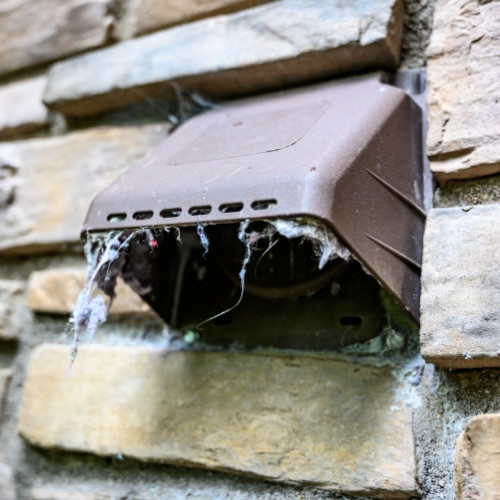
Do you frequently find lint accumulating on the floor behind your dryer or collecting around the exterior vent outlet on your home? This is a clear sign that lint is backing up within the system and not being expelled properly. 

Take a moment to check the outside vent flap as well – if it doesn’t open fully when the dryer is running, a blockage is likely present.

5. It’s Been Over a Year Since Your Last Professional Cleaning

Even if you haven’t noticed any of the specific issues listed above, professional dryer vent cleaning is recommended at least once a year. 

For busy households, those with pets, or homes in particularly humid climates like Richmond, cleaning every 6–8 months is even better. Proactive cleaning helps prevent problems before they start.

    Dryer vent cleaning | Kefficient | Richmond, VA
    video-kefficient-customer-testimonial

    The Dangers of Neglected Dryer Vents

    Ignoring these warning signs doesn’t just lead to inconvenience or higher energy bills—it can put your home and family at serious risk.

    • Fire Hazards: According to the U.S. Fire Administration, failure to clean dryer vents is the leading cause of dryer-related fires. These fires can be devastating.
    • Reduced Dryer Lifespan: An overworked dryer experiences more wear and tear, leading to premature breakdowns and costly repairs or replacement. Regular cleaning helps your appliance operate more efficiently and last longer.
    • Higher Energy Costs: When your dryer struggles to dry clothes due to restricted airflow, it consumes more energy, driving up your monthly utility bills.
    • Potential for Mold and Carbon Monoxide (Gas Dryers): In humid climates, trapped moisture can lead to mold growth. For gas dryers, a blocked vent can also prevent carbon monoxide from escaping, posing a silent and dangerous threat.

        Why Richmond Homeowners Are at Higher Risk

        Richmond and surrounding areas such as Chesterfield, Charlottesville, and Fredericksburg experience prolonged periods of high humidity. 

        This means that lint and debris inside your dryer vent are more likely to stay damp, clump together, and restrict airflow more quickly than in drier climates. Older homes with long

        Schedule Your Dryer Vent Cleaning with Kefficient Today!

        If any of these signs sound familiar, it’s time to take action. At Kefficient, we provide thorough, professional dryer vent cleaning services designed to keep your home safe, your dryer efficient, and your family protected.

        We are proud to serve homeowners across Richmond, Chesterfield, and many nearby areas. Don’t wait for a safety issue to arise – schedule your dryer vent cleaning with Kefficient today and enjoy genuine peace of mind.

          Dryer Vent Cleaning in Richmond: Frequently Asked Questions

          How often should I clean my dryer vent in Richmond, VA?

          We recommend professional dryer vent cleaning at least once a year. However, in humid climates like Richmond – and especially in homes with frequent dryer use or pets – every 6 to 8 months is ideal for optimal safety and efficiency.

          What are the warning signs that my dryer vent is clogged?

          The top signs include longer drying times, a dryer exterior that feels excessively hot, a burning smell during use, noticeable lint buildup around the dryer or vent, and if it’s been more than a year since your last cleaning.

          Can a clogged dryer vent cause a fire?

          Absolutely, yes. Lint is highly flammable, and when it builds up near the dryer’s heating element or in restricted airflow, it can easily ignite. Dryer vent fires are a leading cause of home fires in the U.S., particularly in neglected systems.

          Is dryer vent cleaning something I can do myself?

          While you can remove some accessible lint yourself using a vacuum or a brush, a full professional cleaning is highly recommended.

          Professionals have specialized tools to reach deep inside the vent system, remove stubborn clogs, and identify any hidden issues like disconnected ducts or damage behind walls that DIY methods often miss.

          Does Kefficient provide dryer vent cleaning in my area?

          Yes! Kefficient proudly serves Richmond, Chesterfield, Charlottesville, Fredericksburg, and all surrounding areas.

          We’re dedicated to helping homeowners in our community stay safe and efficient.

          Don’t Wait for Mold to enter your home Take Control Today!


          Mold spreads quietly and quickly, and the longer conditions stay the same, the more ground it covers. If you've spotted growth in your crawl space or basement, or you're dealing with recurring musty odors that won't go away, the most useful next step is an honest assessment of what's actually there. Kefficient offers free mold inspections for homeowners in Richmond and across central and eastern Virginia. The inspection covers the visible growth, the areas around it, and the moisture conditions driving it, so you know the full picture before any decisions are made.