
skip to main content

Does My Crawl Space Need a Dehumidifier?

In Richmond, summer humidity can be brutal. But while you may be comfortable in the AC, that out-of-sight, out-of-mind crawl space below is definitely feeling the heat.

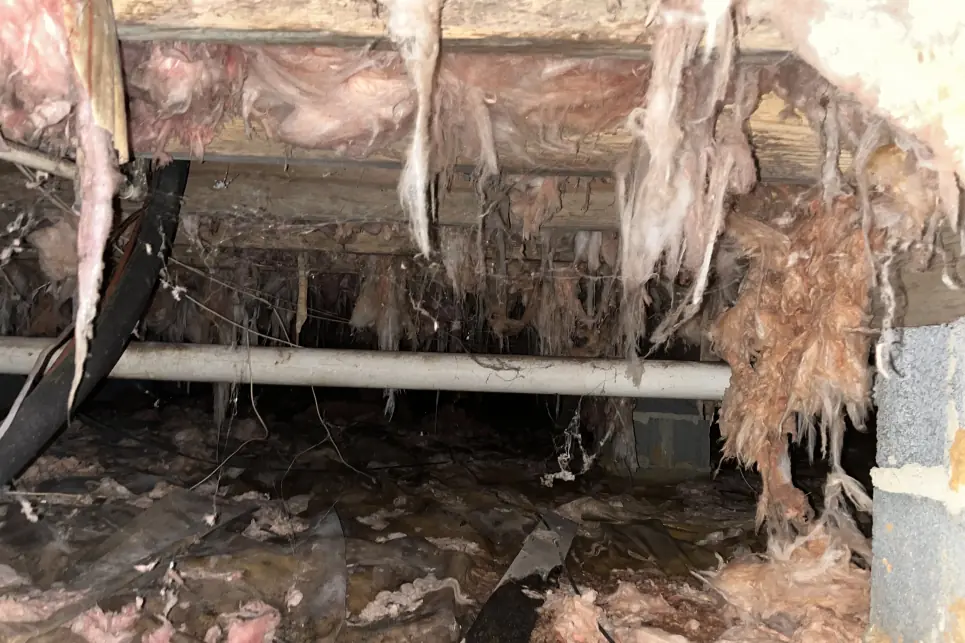
That’s why most people are surprised to discover a problem in their crawl space, because it’s often a forgotten part of their home, but it shouldn’t be. For most homes, up to 60% of the air in it comes from the crawl space, and when it becomes humid and damp, it quickly becomes a problem.

At Kefficient, one of the most common questions we’re asked about crawl spaces has to do with dehumidifiers and whether every crawl space needs one. The short answer is yes because, without one, the risk of your crawl space developing issues like wood rot and mold increases dramatically - even if the crawl space is encapsulated!
What’s Best for Your Basement?

If you’re dealing with basement water problems, like damp walls, musty smells, or visible leaks, getting the right waterproofing system in place is essential. But as you start researching solutions, you’ll probably run into two common options: interior waterproofing systems and exterior excavation methods.

Both approaches are designed to address basement water issues, but they take very different paths to get there. One works from the outside in, while the other works from the inside out. And depending on your home’s layout, soil conditions, and drainage challenges, one method may make more sense than the other.

At Kefficient, we specialize in interior systems because they offer strong, long-term results without the disruption or cost of digging around your foundation. In this comparison, we’ll walk through how each option works and help you figure out which one is right for your home.

What Is Exterior Waterproofing?

Exterior waterproofing is built around the idea of stopping water before it ever reaches your basement walls. It’s a large-scale solution that involves excavating the ground around your home, sealing the outside of the foundation, and adding drainage to help direct groundwater away from the structure.

While this approach can be effective in the right situation, it’s not a small project. The process often requires tearing out landscaping, walkways, or even sections of driveway to access the full perimeter. That makes it time-consuming, costly, and difficult to revisit if maintenance is ever needed.

Typical features of an exterior waterproofing system include:

  • Deep excavation around the full foundation

  • A waterproof membrane or sealant is applied to the exterior wall

  • Drain tile or perforated piping is installed at the footing level

  • Protective layers, such as a drainage board, to guide water down and out

  • Gravel backfill and soil grading to direct surface runoff

In short, it’s a full rebuild of the ground around your home. It works, but it’s not always the most practical option, especially when there are interior systems that solve the same problem with far less disruption.

What Is Interior Waterproofing?

Interior waterproofing works by managing water from the inside of your home before it can cause damage. Instead of blocking water outside the foundation, this method creates a pathway to capture and remove it once it seeps in. It’s less invasive, easier to maintain, and typically much more cost-effective than digging around your home.

At Kefficient, we design interior systems that fit your home’s unique conditions. Whether you’re dealing with a damp wall or a serious water intrusion issue, we use proven techniques to keep your basement dry and make sure the fix lasts.

Interior waterproofing systems may include:

  • A perimeter drainage system is installed at the base of your basement walls

  • A sealed sump basin with a reliable sump pump

  • Optional battery backup systems for added protection during outages

  • Interior wall liners or vapor barriers to guide moisture into the system

  • Professional-grade dehumidifiers to reduce humidity and prevent mold

  • Applied waterproofing coatings on interior walls for added surface protection

Because everything is installed from the inside, there’s no need to disturb your yard, and service components remain accessible if they ever need maintenance.

Interior vs. Exterior Waterproofing: Side-by-Side

If you’re trying to decide which waterproofing method is right for your home, here’s how interior and exterior systems compare across the things that matter most:

Category

Exterior Waterproofing

Interior Waterproofing

Approach

Stops water before it reaches the foundation wall.

Manages water after it enters and removes it before it spreads.

Installation Process

Requires full excavation, wall sealing, and drain installation on the outside.

Installed from inside with drainage channels, sump pump, and vapor control.

Impact on Home

Disrupts landscaping, patios, or driveways during installation.

No damage to the yard or exterior, everything stays inside.

Cost

Typically, more expensive due to labor and restoration needs.

More budget-friendly for most homeowners.

Timeline

Can take several days to complete, depending on access and weather.

Often finished in 1–2 days with minimal disruption.

Maintenance Access

Difficult to service and may require re-digging.

Easy to inspect and maintain over time.

Best Fit For

New builds or homes already undergoing exterior foundation work.

Existing homes with water intrusion, wall seepage, or damp floors.

Which Option Is Right for Your Home?

Both interior and exterior waterproofing can solve basement water problems, but for most homes in Virginia, interior systems are the more practical choice. They’re less invasive, easier to maintain, and far more affordable than full foundation excavation.

Exterior methods may be worth considering during new construction or if major foundation work is already planned. But when you’re dealing with signs of moisture, wall seepage, or standing water in an existing home, an interior system gives you a faster, cleaner fix without turning your yard into a construction site.

At Kefficient, we take the time to inspect your basement, identify the source of the issue, and explain your options clearly. We’ll never recommend more than you need, just honest guidance, skilled installation, and a waterproofing system that’s built to last.

Ready for a Basement That Stays Dry?

If water is showing up where it shouldn’t, on your basement floor, along the walls, or in the air you breathe, it’s time to get it fixed. At Kefficient, we design interior waterproofing systems that solve the problem for good, without the cost or disruption of digging up your yard.

Our team will assess the issue, walk you through your options, and build a solution that fits your home and your budget. No guesswork. No pressure. Just clear answers and quality work.

Schedule your free inspection today and take the first step toward a dry, healthy basement.

What Do Crawl Space Dehumidifiers Actually Do?

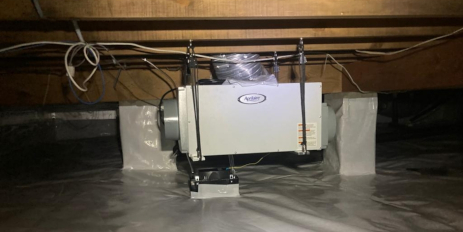
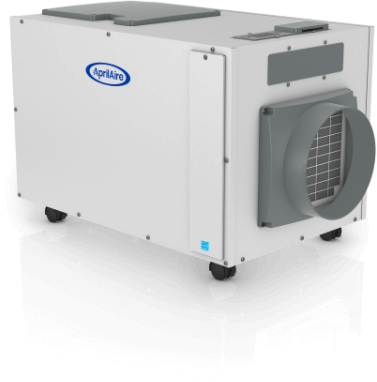
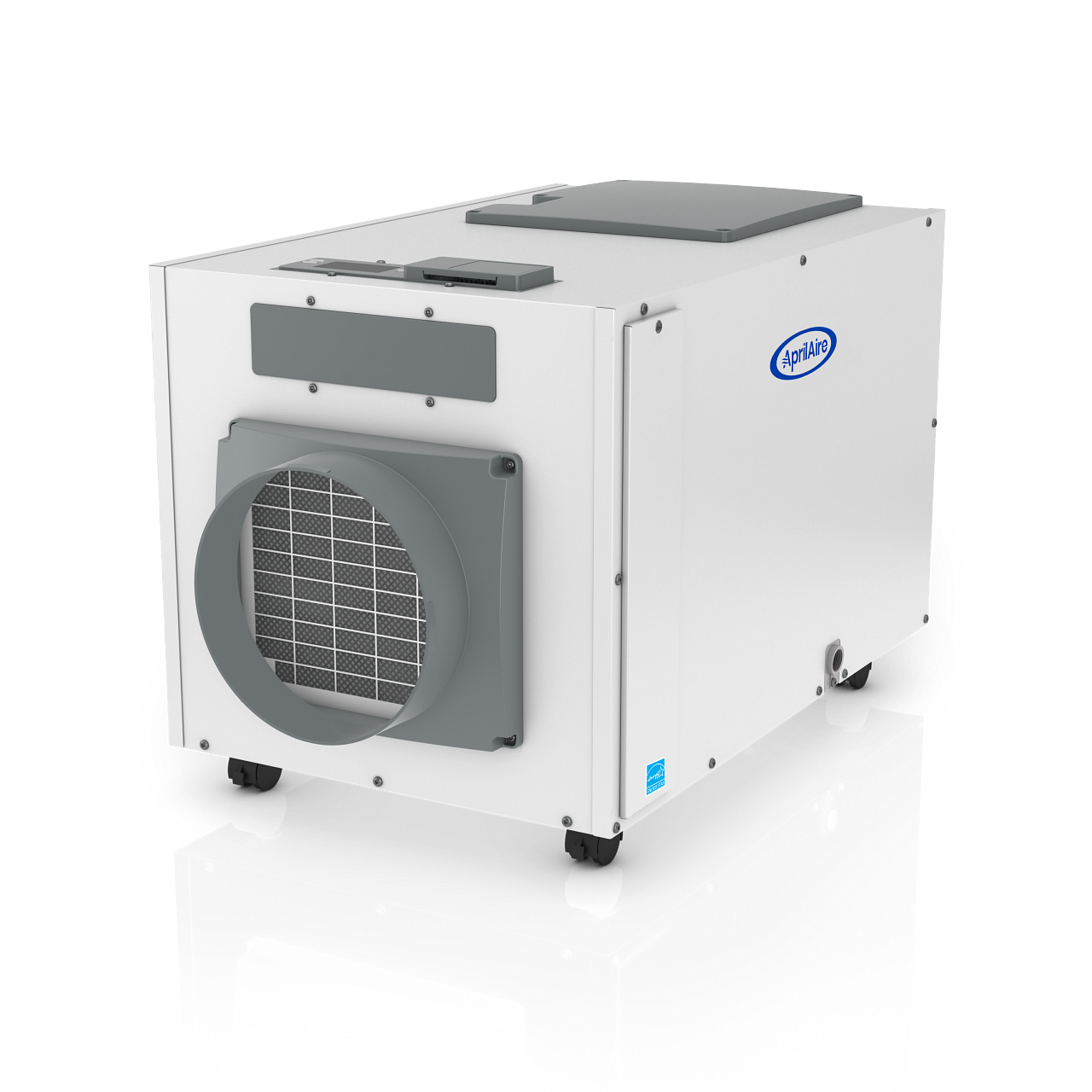
A crawl space dehumidifier is a device that reduces the humidity levels in the crawl space. It works by drawing in moist air and removing the excess moisture, typically through condensation. By controlling the humidity levels, crawl space dehumidifiers improve indoor air quality, reduce the risk of mold growth, and prevent structural damage.

Installing a crawl space dehumidifier also provides additional benefits:

  • Lower Electric Bill: High humidity levels make your air conditioning system work harder to cool your home, leading to higher utility bills.
  • Extended HVAC Lifespan: A crawl space dehumidifier can also improve the lifespan of your HVAC system by reducing the workload and leading to fewer breakdowns.
  • Improved Indoor Air Quality: Controlling the humidity levels in your crawl space can also prevent musty odors, making your home more comfortable and pleasant.

What Are The Signs That My Crawl Space Needs a Dehumidifier?

The signs your crawl space needs a dehumidifier can be subtle but become unmistakable. These include musty odors, condensation on pipes and fixtures, and mold growth. Exposure to mold spores can cause respiratory issues, such as allergies, asthma, and other health problems. High humidity levels, combined with Richmond’s summer heat, can also cause wood rot and cause the floor above your crawl space to sag, commonly described as cupping floors.

If you notice any of these signs, it’s important to act sooner rather than later. If caught in time, installing a crawl space dehumidifier can remove excess moisture, improve indoor air quality, and prevent mold growth and health issues caused by mold exposure.

Foundation Repair Services
Dehumidifiers

How Do I Select The Right Dehumidifier For My Home?

When selecting a crawl space dehumidifier, there’s a lot to consider. For starters, knowing the size of your crawl space is crucial in determining the right size of the unit. If your crawl space is large, you will need a dehumidifier with a higher capacity. The energy efficiency of the dehumidifier is also essential in reducing energy consumption and saving on utility bills.

In addition to understanding size, you must understand what RH level to set your dehumidifier. An RH level is a term for relative humidity, and it measures the moisture in the air of your crawl space. For most homes in Richmond, keeping your crawl space between 40-60% will create a dry environment for your crawl space. RH levels above 60% increase the humidity, causing wood rot and mold. However, if the RH level is too low, it can dry out the crawl space completely, leading to your wooden floor joists and beams cracking and causing structural damage.

The best way to think about it is like Goldilocks and the three bears – too hot, too cold, just right.

How Do I Install A Dehumidifier In My Crawl Space?

Installing a crawl space dehumidifier yourself without the right tools or level of expertise can be difficult for any homeowner. Most units need a dedicated power supply and adequate drainage to work at their peak efficiency. Determining what dehumidifier would work best in your crawl space can also be hard – but that is where we can help.

At Kefficient, our experts in Richmond can provide a free crawl space inspection offering helpful advice on what it needs to be safe from high humidity, wood rot, and mold. In addition, we can also provide hassle-free installation of an energy-efficient dehumidifier with an industry-leading warranty so that you can breathe easily.

Dehumidifier

Don’t Wait for a Flood Take Control Today!


Worried about water in your Chesterfield basement? Let our local experts help you find a lasting solution. Schedule a free, no-obligation inspection with Kefficient today and protect your home from future water damage. Your dry, healthy basement awaits!