When your home struggles to hold temperature, the attic and crawl space are often both contributing to the problem. Addressing insulation above and encapsulation below gives your HVAC system a fighting chance and helps bring energy costs down.


Your heating and cooling system runs longer than it should. Certain rooms never quite reach the temperature on the thermostat. The upstairs feels stuffy in summer and drafty in winter, and the floors over the crawl space stay cold no matter what you set the heat to. These aren’t separate, unrelated problems. In many homes, they share the same cause: the two ends of the house, the attic above and the crawl space below, are both allowing conditioned air to escape and outdoor air to push in. Addressing one without the other leaves half the problem in place.
Heat moves toward cold. In winter, that means the warmth your HVAC system generates works its way upward through the ceiling and out through the roof. In summer, the heat baking the roof pushes down into the living space below. Attic insulation slows that transfer by creating a barrier between the conditioned space inside your home and the unconditioned attic above it.
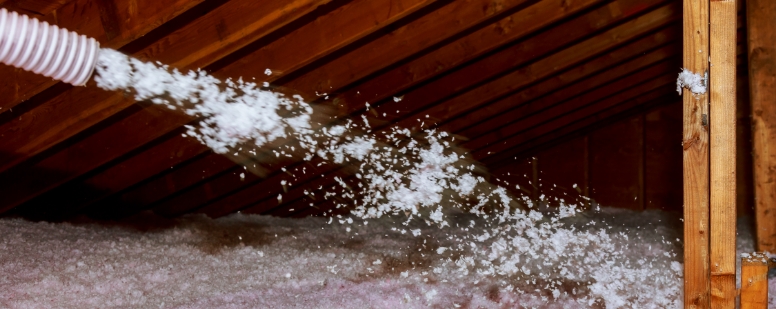
Blown-in insulation, which Kefficient installs, is particularly effective at covering the irregular surfaces and tight corners common in residential attics. It fills in around joists, wiring, and other obstructions without gaps, which is where a lot of the energy loss happens in attics that were insulated years ago with batts that have shifted or compressed over time. Sealing air leaks before insulating is equally important, since insulation slows heat transfer but doesn’t stop air movement on its own. Both steps together are what make the attic perform the way it should.
While the attic handles the top of the home’s thermal envelope, the crawl space is the bottom. In an unencapsulated crawl space, the bare ground releases moisture continuously, and outside air moves in and out through open vents. That damp air doesn’t stay below the floor. It rises into the living space above, making rooms feel humid in summer and contributing to cold floors year-round as the unconditioned air under the house pulls heat out through the subfloor.
Encapsulation addresses this by sealing the crawl space off from the ground and the outside. A full encapsulation system typically includes several components working together:
When these components are in place, the crawl space behaves more like a conditioned part of the home rather than an open connection to the soil and outdoor air below it. The HVAC system doesn’t have to compensate as hard to maintain comfortable temperatures in the rooms above.
Schedule a free inspection with Kefficient
Fixing the attic alone leaves the floor system exposed to ground moisture and unconditioned air from below. Encapsulating the crawl space alone still allows heat to escape through an under-insulated ceiling. Either way, the HVAC system is fighting on one front while losing ground on the other. The two upgrades work in the same direction, and when they’re done together, the home holds temperature more consistently from floor to ceiling.
For Virginia homeowners, that combination matters year-round. Summers bring sustained heat and humidity that stress both the attic and the crawl space simultaneously. Winters push cold air through every gap the building envelope has. A home that’s properly addressed at both ends is easier and less expensive to keep comfortable through both seasons, and the HVAC system runs fewer cycles to get there.
Some of the most common indicators that both the attic and crawl space are underperforming show up in the living space, not in the spaces themselves. Homeowners often notice the symptoms for months before connecting them to a source. If several of the following are familiar, both ends of the home are worth evaluating.
None of these symptoms on their own confirm the diagnosis, but a free inspection of both spaces will give you a clear picture of what’s happening and where.
Kefficient inspects both the attic and the crawl space before recommending any work. Rather than treating each as a separate job, the team looks at how the two spaces interact and what the home needs as a whole. That means identifying where air is moving, where moisture is entering, and what combination of services will actually make a difference in how the home performs.
For attic insulation, Kefficient assesses the existing insulation, checks for air leaks, and determines what’s needed before any material goes in. For crawl space encapsulation, the inspection covers the ground condition, moisture levels, any signs of wood damage or mold, and whether drainage or a dehumidifier needs to be part of the solution. Both services are backed by warranties, and financing is available for homeowners who want to address both at once.
If you’ve noticed any of the signs above and want a clear answer on what’s happening in your home, schedule a free inspection with Kefficient.
Mold spreads quietly and quickly, and the longer conditions stay the same, the more ground it covers. If you've spotted growth in your crawl space or basement, or you're dealing with recurring musty odors that won't go away, the most useful next step is an honest assessment of what's actually there. Kefficient offers free mold inspections for homeowners in Richmond and across central and eastern Virginia. The inspection covers the visible growth, the areas around it, and the moisture conditions driving it, so you know the full picture before any decisions are made.