
skip to main content

Crawl Space Encapsulation in Richmond, VA: What It Is & Why It Matters

Is your Richmond home feeling a bit… musty? Dealing with higher-than-usual energy bills? The culprit might be hiding right beneath your feet: your crawl space. For many homeowners in our humid climate, an unsealed crawl space is a significant source of problems. That's where crawl space encapsulation comes in. It's a powerful solution designed to transform this often-neglected area into a clean, dry, and energy-efficient part of your home.

Quick Summary

  • Richmond’s hot-humid climate classification and clay soil create crawl space moisture conditions that begin building in early spring, well before summer arrives
  • Foundation vents designed to dry out crawl spaces actually pull humid outdoor air into cooler spaces in Richmond’s climate, making moisture problems worse
  • Unencapsulated crawl spaces in Richmond are vulnerable to wood rot, mold growth, and pest activity during spring and summer humidity cycles
  • The stack effect pulls air continuously from the crawl space into living areas, bringing mold spores, musty odors, and humidity with it
  • Encapsulation seals ground moisture out, closes foundation vents, and with a crawl space dehumidifier keeps humidity below the threshold where mold and wood damage occur
  • April and May are the right time to inspect and encapsulate before peak Richmond humidity arrives in June

Spring Humidity Is Coming: What Richmond Homeowners Should Do Now

Richmond homeowners know what summer feels like, but spring is when the damage starts. The ground is still wet from winter rain, temperatures are climbing, and the humidity that defines a Richmond summer is already building. If your crawl space isn’t sealed, that moisture has a direct path into your home. A musty smell on the first floor, floors that feel soft near the edges of rooms, an air conditioner that runs longer than it used to. These aren’t random. They trace back to what’s happening underneath the house, and they tend to get worse from here if nothing changes.

Why Richmond Springs Are Hard on Crawl Spaces

Richmond sits in a hot-humid climate classification, which means the region doesn’t get a real dry season. Spring arrives wet, the soil stays saturated from winter rainfall well into April, and humidity begins climbing before most homeowners think to pay attention to it. The clay soil that underlies much of the Richmond metro holds moisture rather than draining it, which means the ground beneath a crawl space stays damp long after the last rain.

Foundation vents compound the problem in a way that surprises a lot of homeowners. They were standard practice for decades, built into homes across Richmond under the assumption that outside air would dry out the crawl space. In a dry climate that logic holds. In Richmond, opening a foundation vent in spring means pulling warm, humid outdoor air into a cooler crawl space. That air hits the cooler surfaces and condenses. The vent designed to dry things out is doing the opposite.

Older neighborhoods add another layer of vulnerability. Homes in areas like The Fan, Church Hill, and Shockoe Bottom were built on shallow foundations that sit close to the ground and were never designed with modern moisture control in mind. The crawl spaces in these homes are low, often poorly ventilated, and directly exposed to soil that has been holding Richmond’s groundwater for generations. Spring is when that exposure becomes a problem you can measure.

What Humidity Does to an Unencapsulated Crawl Space

An unencapsulated crawl space in Richmond has no defense against rising spring humidity. The wood framing, insulation, and subfloor are in direct contact with whatever air moves through, and when that air stays damp for weeks at a time, the damage accumulates. Mold doesn’t need standing water to get started, just consistent humidity above the threshold where spores colonize surfaces. Pests follow the same conditions, drawn to damp wood and the shelter a wet crawl space provides. Here’s what that looks like in practice:

  • Floor joists and subfloor panels absorb moisture when humidity stays elevated, causing wood to swell, weaken, and eventually rot, which shows up as soft or springy spots in the floor above
  • Fiberglass batt insulation between the joists collects moisture and the paper backing provides a food source for mold, making it one of the first places damage shows up
  • Mold colonizes wood framing and insulation surfaces when relative humidity holds above roughly 60 percent, which a Richmond crawl space in spring routinely exceeds
  • Termites, carpenter ants, and rodents are attracted to damp wood, and an active pest problem can compound the structural damage that moisture starts
  • HVAC ductwork running through the crawl space is exposed to the same humid air, and condensation on ducts reduces system efficiency and creates additional moisture surfaces

Once mold establishes itself in a crawl space it doesn’t clear out when conditions improve. The spores remain, and the next wet season picks up where the last one left off.

Schedule your free inspection with Kefficient

How Crawl Space Moisture Affects the Rest of Your House

Warm air rises through a home continuously, pulling air upward from the lowest point of the structure as it escapes through the upper levels. In a home with an unencapsulated crawl space, that means whatever is happening underneath the floors is being drawn into the rooms where your family spends time. This is called the stack effect, and in Richmond’s climate it runs continuously through the warm months. Here’s where homeowners tend to notice it first:

  • A musty smell on the first floor that seems to have no clear source, particularly in rooms near exterior walls or over the crawl space access point
  • Allergy symptoms that are worse at home than outside, especially when the HVAC is running, which points to mold spores and allergens being pulled up from below and circulated through the duct system
  • Energy bills that climb faster than expected in spring and early summer, reflecting an air conditioner working harder to dehumidify air that is being continuously replenished with moisture from below
  • Soft spots or slight bounce in the floor, visible gaps between flooring and baseboards, or floors that feel uneven in areas over the crawl space
  • Condensation on windows or interior surfaces during mild weather, which indicates that humidity levels inside the home are higher than they should be

None of these symptoms resolve on their own as long as the crawl space is open to Richmond’s spring and summer humidity. They tend to get worse each season until the source is addressed.

What Crawl Space Encapsulation Actually Does

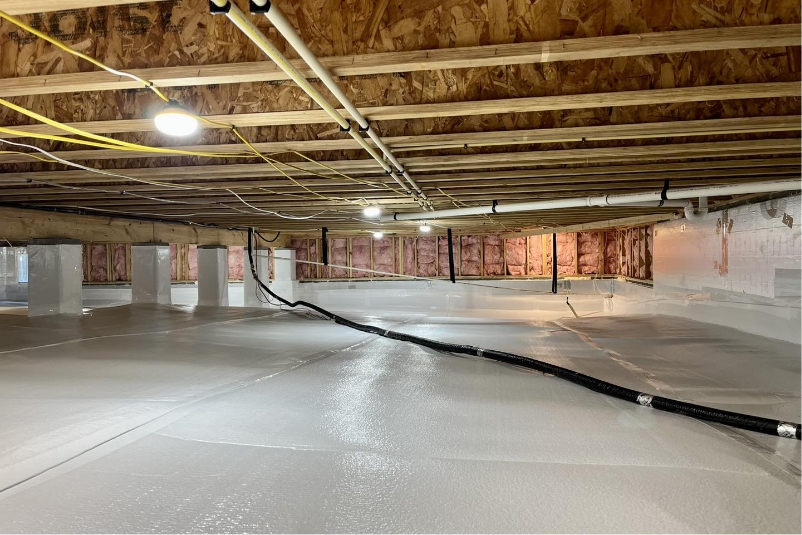
Encapsulation changes the crawl space from an uncontrolled outdoor environment into a sealed, conditioned space. The process starts with a heavy-duty vapor barrier installed across the floor and up the foundation walls, sealing the soil so ground moisture can no longer evaporate upward into the framing. Foundation vents are closed off, which in Richmond’s climate is the right call. As established earlier, those vents pull humid outdoor air into a cooler space where it condenses rather than drying anything out. Closing them removes that moisture source entirely.

A dehumidifier designed for crawl space conditions manages whatever humidity remains. Unlike a standard unit, a crawl space dehumidifier is built to run in cooler temperatures and handle the sustained moisture load that a Richmond spring and summer puts on the space. The goal is keeping relative humidity consistently below the threshold where mold can grow and wood stays dry season after season.

The difference this makes to the rest of the house is direct. With the crawl space sealed and humidity controlled, the stack effect stops pulling damp air upward. The HVAC system is no longer competing with a continuous moisture source. The wood framing stops cycling through wet and dry seasons. For homes in older Richmond neighborhoods where shallow foundations have been exposed to ground moisture for decades, encapsulation doesn’t reverse existing damage, but it stops the process and gives the structure a stable environment going forward.

What Richmond Homeowners Should Do Before Summer Arrives

The window between now and peak humidity is short. By June the outdoor dew point in Richmond is high enough that an unencapsulated crawl space is already losing the battle, and the damage from one summer compounds into the next. April and May are the right time to schedule a crawl space inspection, get a clear picture of what’s down there, and address anything that needs attention before the heat sets in.

If mold is already present, it needs to be remediated before encapsulation. Sealing over an active mold problem doesn’t resolve it. If there’s no vapor barrier, or an older thin sheet that has shifted and torn over the years, encapsulation is the right next step. A crawl space dehumidifier is worth adding in either case, particularly for homes over clay soil or in low-lying parts of the Richmond metro where ground moisture runs high.

Schedule Your Free Crawl Space Inspection Before Summer

Kefficient serves homeowners across Richmond and the surrounding area with crawl space repair, encapsulation, and mold remediation. If your crawl space hasn’t been inspected recently, spring is the right time to find out what’s down there before peak humidity makes the situation harder to manage.

Schedule your free inspection with Kefficient and get ahead of Richmond’s summer before it gets into your home.

Dryer vent cleaning | Kefficient | Richmond, VA

What Exactly Is Crawl Space Encapsulation?

Think of crawl space encapsulation as creating a protective shield around the underside of your home. It’s a comprehensive home protection method that involves completely sealing off your crawl space from the outside environment.

This process typically includes:

  • Installing a heavy-duty vapor barrier: A thick, durable liner is meticulously placed along the floor and up the walls of your crawl space.
  • Sealing vents and gaps: All exterior vents and any cracks or openings are sealed to prevent outside air and moisture from entering.
  • Adding insulation: Strategic insulation helps maintain a stable temperature.
  • Integrating a dehumidifier: Often, a high-capacity dehumidifier is installed to actively control humidity levels within the now-sealed space.

By creating this closed, controlled environment, encapsulation prevents the intrusion of groundwater, humidity, and outside air – common culprits behind mold, rot, pests, and energy inefficiency in homes.

Ready to dive deeper? Learn more about our specialized Crawl Space Encapsulation service.

    Why Richmond Homes Are Especially Vulnerable to Crawl Space Issues

    Richmond, VA, is a beautiful place to live, but our region’s unique climate and soil conditions make crawl spaces particularly susceptible to moisture problems. Our humid subtropical climate brings frequent rainstorms and high seasonal humidity. 

    Combine that with our clay-rich soil, which notoriously retains water, and you have a recipe for trouble in unsealed crawl spaces.

    Richmond homeowners regularly contend with signs of moisture intrusion, such as:

    • Persistent musty odors wafting up into living areas.
    • Visible mold growth on wooden floor joists and subflooring.
    • Condensation dripping from ductwork and HVAC components.
    • Sagging insulation or widespread wood rot.
    • Increased pest activity, as insects and rodents are drawn to damp, dark spaces.

    These persistent conditions make encapsulation not just beneficial, but truly essential for the long-term health and stability of your Richmond home.

    For local support tailored to our community, visit our Richmond Service Area page.

      Dryer vent cleaning | Kefficient | Richmond, VA
      Dryer vent cleaning | Kefficient | Richmond, VA

      Key Benefits of Crawl Space Encapsulation for Your Home

      Investing in crawl space encapsulation offers a wide array of benefits that directly impact your comfort, health, and wallet:

      1. Superior Mold and Moisture Control: By sealing out moisture, you drastically reduce the risk of mold growth, wood rot, and those unpleasant musty odors that permeate unsealed crawl spaces.
      2. Improved Indoor Air Quality: Did you know that up to 50% of the air you breathe inside your home can originate from your crawl space? Encapsulation ensures this air is clean, dry, and free of mold spores and allergens, leading to a healthier living environment.
      3. Enhanced Energy Efficiency: An encapsulated crawl space maintains a more stable temperature and humidity level. This reduces the workload on your HVAC system, translating to lower utility bills and a more comfortable home year-round.
      4. Structural Protection: Preventing moisture intrusion is critical for preserving the integrity of your home’s foundation, floor joists, and subflooring. This proactive step can save you from costly structural repairs down the line.
      5. Increased Home Value: A properly encapsulated crawl space is a significant value-added upgrade. It signals to potential buyers that your home is well-maintained and protected, offering them peace of mind.
      6. Effective Pest Prevention: Sealing off your crawl space creates a less hospitable environment for common household pests like insects, spiders, and rodents, which thrive in damp, unsealed areas.
      7. Comfort Improvements: Say goodbye to cold spots and drafts! With a more stable environment beneath your floors, homeowners often notice more consistent room temperatures and increased overall comfort.

        What the Encapsulation Process Looks Like

        If you’re considering crawl space encapsulation for your Richmond home, here’s a general overview of what you can expect from a professional installation:

        1. Assessment and Preparation: Our technicians will thoroughly inspect your crawl space, identify any existing issues, remove debris, and address standing water if present.
        2. Vapor Barrier Installation: A durable, thick polyethylene liner (typically 10-20 mil) is meticulously installed along the ground and up the walls, fully sealed and taped at all seams for an airtight fit.
        3. Sealing Vents and Gaps: All exterior vents, rim joist gaps, and any other potential access points for outside air are completely sealed.
        4. Conditioning the Space: Depending on your home’s needs, a high-capacity dehumidifier or integration with your home’s HVAC system may be added to actively manage long-term humidity levels.
        5. Final Quality Check: Our teams perform a comprehensive review, verifying the integrity of the seal, checking humidity levels, and ensuring all systems are functioning perfectly.

        This thorough, customized process helps ensure a complete moisture and air seal tailored to your home’s unique needs. 

        Discover more about our approach on our Crawl Space Repair Services page.

            Dryer vent cleaning | Kefficient | Richmond, VA
            Dryer vent cleaning | Kefficient | Richmond, VA

            How to Know If Your Richmond Home Needs Encapsulation

            Wondering if crawl space encapsulation is the right solution for your Richmond home? Keep an eye out for these common indicators:

            • Visible water stains or moisture on your crawl space walls or supports.
            • Moldy or musty smells noticeable inside your living areas.
            • Uneven floors or cracks in interior walls, which can signal foundational stress.
            • Frequent insect infestations or signs of rodent activity.
            • Cold floors in winter and consistently high energy bills year-round.
            • Allergy symptoms worsening when you’re at home.

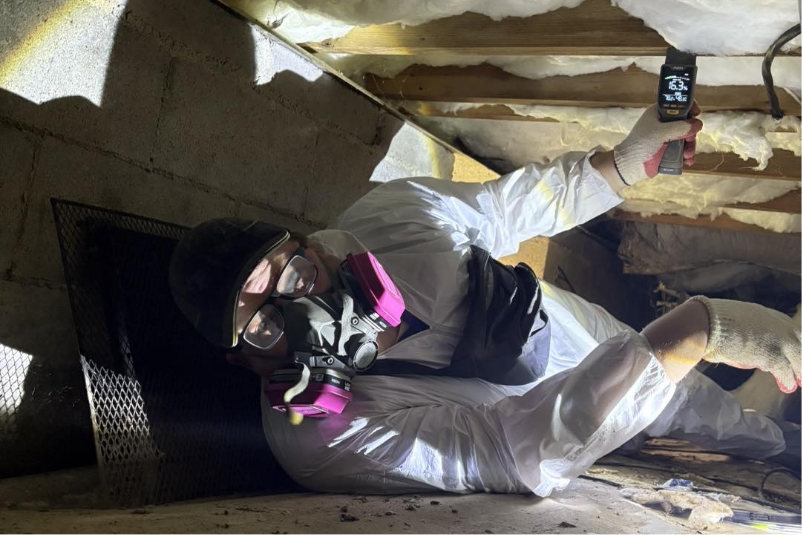
            Even if your crawl space looks dry, issues can lurk beneath the surface. A professional, no-obligation inspection is always the best way to accurately identify hidden threats and determine the best course of action for your home.

              Why Work with a Local Richmond Crawl Space Expert

              Choosing a local Richmond-based crawl space repair professional offers distinct advantages. We understand the specific challenges posed by our regional climate, soil conditions, and local building codes. A local expert like Kefficient will:

              • Recommend the ideal vapor barrier thickness to effectively combat Richmond’s high humidity.
              • Design appropriate drainage solutions that account for our area’s clay-rich soil, which can exacerbate moisture issues.
              • Ensure full compliance with all Virginia building regulations and standards.

              We bring unparalleled local knowledge combined with high-quality service to every job, ensuring solutions that truly last.

                Frequently Asked Questions (FAQs) About Crawl Space Encapsulation

                How long does crawl space encapsulation last?

                A properly installed encapsulation system, especially with a high-quality vapor barrier and regular maintenance, can last anywhere from 15 to 25 years or even longer.

                Does encapsulation help with allergies?

                Absolutely. By controlling mold growth, dust mites, and improving overall indoor air quality, encapsulation can significantly reduce allergy symptoms caused by airborne irritants originating in the crawl space.

                Can I use my encapsulated crawl space for storage?

                Yes! Once sealed and conditioned, your crawl space becomes a dry, clean, and stable environment – making it ideal for storing seasonal items, holiday decorations, or other household supplies.

                Is a sump pump always required for encapsulation?

                Not always, but in areas with heavy groundwater, like many parts of Richmond, a sump pump may be installed alongside the vapor barrier as an essential component to manage and remove excess moisture effectively.

                What’s the difference between encapsulation and just installing a vapor barrier?

                While a vapor barrier is a key component, encapsulation is a much more comprehensive, full-sealing system. It includes sealing vents, insulating, and often installing a dehumidifier to control the entire environment, whereas a standalone vapor barrier only addresses ground moisture.

                How much does crawl space encapsulation cost in Richmond?

                Prices can vary widely depending on the size of your crawl space, its current condition, and specific features needed. Most Richmond homeowners can expect to invest between $5,000 and $15,000. We offer flexible Financing Options to make this important home improvement more manageable.

                Don’t Wait for Mold to enter your home Take Control Today!


                Mold spreads quietly and quickly, and the longer conditions stay the same, the more ground it covers. If you've spotted growth in your crawl space or basement, or you're dealing with recurring musty odors that won't go away, the most useful next step is an honest assessment of what's actually there. Kefficient offers free mold inspections for homeowners in Richmond and across central and eastern Virginia. The inspection covers the visible growth, the areas around it, and the moisture conditions driving it, so you know the full picture before any decisions are made.