
skip to main content

Why Duct Cleaning Is Essential for Allergy Relief in Fredericksburg Homes

f you call Fredericksburg home, you know just how intense allergy season can be. From the overwhelming spring surge of tree pollen to the summer wave of grass and weed allergens, our region's climate – and even the local clay-rich soil – can significantly contribute to indoor air quality issues.

Combine that with common indoor culprits like pet dander, dust mites, and mold spores constantly circulating through your HVAC system, and your home might actually be making your allergy symptoms worse.

One of the most effective ways to significantly improve your home’s indoor air quality and reduce irritating allergy triggers is through professional air duct cleaning.
Quick Summary

  • Richmond’s hot-humid climate classification and clay soil create crawl space moisture conditions that begin building in early spring, well before summer arrives
  • Foundation vents designed to dry out crawl spaces actually pull humid outdoor air into cooler spaces in Richmond’s climate, making moisture problems worse
  • Unencapsulated crawl spaces in Richmond are vulnerable to wood rot, mold growth, and pest activity during spring and summer humidity cycles
  • The stack effect pulls air continuously from the crawl space into living areas, bringing mold spores, musty odors, and humidity with it
  • Encapsulation seals ground moisture out, closes foundation vents, and with a crawl space dehumidifier keeps humidity below the threshold where mold and wood damage occur
  • April and May are the right time to inspect and encapsulate before peak Richmond humidity arrives in June

Spring Humidity Is Coming: What Richmond Homeowners Should Do Now

Richmond homeowners know what summer feels like, but spring is when the damage starts. The ground is still wet from winter rain, temperatures are climbing, and the humidity that defines a Richmond summer is already building. If your crawl space isn’t sealed, that moisture has a direct path into your home. A musty smell on the first floor, floors that feel soft near the edges of rooms, an air conditioner that runs longer than it used to. These aren’t random. They trace back to what’s happening underneath the house, and they tend to get worse from here if nothing changes.

Why Richmond Springs Are Hard on Crawl Spaces

Richmond sits in a hot-humid climate classification, which means the region doesn’t get a real dry season. Spring arrives wet, the soil stays saturated from winter rainfall well into April, and humidity begins climbing before most homeowners think to pay attention to it. The clay soil that underlies much of the Richmond metro holds moisture rather than draining it, which means the ground beneath a crawl space stays damp long after the last rain.

Foundation vents compound the problem in a way that surprises a lot of homeowners. They were standard practice for decades, built into homes across Richmond under the assumption that outside air would dry out the crawl space. In a dry climate that logic holds. In Richmond, opening a foundation vent in spring means pulling warm, humid outdoor air into a cooler crawl space. That air hits the cooler surfaces and condenses. The vent designed to dry things out is doing the opposite.

Older neighborhoods add another layer of vulnerability. Homes in areas like The Fan, Church Hill, and Shockoe Bottom were built on shallow foundations that sit close to the ground and were never designed with modern moisture control in mind. The crawl spaces in these homes are low, often poorly ventilated, and directly exposed to soil that has been holding Richmond’s groundwater for generations. Spring is when that exposure becomes a problem you can measure.

What Humidity Does to an Unencapsulated Crawl Space

An unencapsulated crawl space in Richmond has no defense against rising spring humidity. The wood framing, insulation, and subfloor are in direct contact with whatever air moves through, and when that air stays damp for weeks at a time, the damage accumulates. Mold doesn’t need standing water to get started, just consistent humidity above the threshold where spores colonize surfaces. Pests follow the same conditions, drawn to damp wood and the shelter a wet crawl space provides. Here’s what that looks like in practice:

  • Floor joists and subfloor panels absorb moisture when humidity stays elevated, causing wood to swell, weaken, and eventually rot, which shows up as soft or springy spots in the floor above
  • Fiberglass batt insulation between the joists collects moisture and the paper backing provides a food source for mold, making it one of the first places damage shows up
  • Mold colonizes wood framing and insulation surfaces when relative humidity holds above roughly 60 percent, which a Richmond crawl space in spring routinely exceeds
  • Termites, carpenter ants, and rodents are attracted to damp wood, and an active pest problem can compound the structural damage that moisture starts
  • HVAC ductwork running through the crawl space is exposed to the same humid air, and condensation on ducts reduces system efficiency and creates additional moisture surfaces

Once mold establishes itself in a crawl space it doesn’t clear out when conditions improve. The spores remain, and the next wet season picks up where the last one left off.

Schedule your free inspection with Kefficient

How Crawl Space Moisture Affects the Rest of Your House

Warm air rises through a home continuously, pulling air upward from the lowest point of the structure as it escapes through the upper levels. In a home with an unencapsulated crawl space, that means whatever is happening underneath the floors is being drawn into the rooms where your family spends time. This is called the stack effect, and in Richmond’s climate it runs continuously through the warm months. Here’s where homeowners tend to notice it first:

  • A musty smell on the first floor that seems to have no clear source, particularly in rooms near exterior walls or over the crawl space access point
  • Allergy symptoms that are worse at home than outside, especially when the HVAC is running, which points to mold spores and allergens being pulled up from below and circulated through the duct system
  • Energy bills that climb faster than expected in spring and early summer, reflecting an air conditioner working harder to dehumidify air that is being continuously replenished with moisture from below
  • Soft spots or slight bounce in the floor, visible gaps between flooring and baseboards, or floors that feel uneven in areas over the crawl space
  • Condensation on windows or interior surfaces during mild weather, which indicates that humidity levels inside the home are higher than they should be

None of these symptoms resolve on their own as long as the crawl space is open to Richmond’s spring and summer humidity. They tend to get worse each season until the source is addressed.

What Crawl Space Encapsulation Actually Does

Encapsulation changes the crawl space from an uncontrolled outdoor environment into a sealed, conditioned space. The process starts with a heavy-duty vapor barrier installed across the floor and up the foundation walls, sealing the soil so ground moisture can no longer evaporate upward into the framing. Foundation vents are closed off, which in Richmond’s climate is the right call. As established earlier, those vents pull humid outdoor air into a cooler space where it condenses rather than drying anything out. Closing them removes that moisture source entirely.

A dehumidifier designed for crawl space conditions manages whatever humidity remains. Unlike a standard unit, a crawl space dehumidifier is built to run in cooler temperatures and handle the sustained moisture load that a Richmond spring and summer puts on the space. The goal is keeping relative humidity consistently below the threshold where mold can grow and wood stays dry season after season.

The difference this makes to the rest of the house is direct. With the crawl space sealed and humidity controlled, the stack effect stops pulling damp air upward. The HVAC system is no longer competing with a continuous moisture source. The wood framing stops cycling through wet and dry seasons. For homes in older Richmond neighborhoods where shallow foundations have been exposed to ground moisture for decades, encapsulation doesn’t reverse existing damage, but it stops the process and gives the structure a stable environment going forward.

What Richmond Homeowners Should Do Before Summer Arrives

The window between now and peak humidity is short. By June the outdoor dew point in Richmond is high enough that an unencapsulated crawl space is already losing the battle, and the damage from one summer compounds into the next. April and May are the right time to schedule a crawl space inspection, get a clear picture of what’s down there, and address anything that needs attention before the heat sets in.

If mold is already present, it needs to be remediated before encapsulation. Sealing over an active mold problem doesn’t resolve it. If there’s no vapor barrier, or an older thin sheet that has shifted and torn over the years, encapsulation is the right next step. A crawl space dehumidifier is worth adding in either case, particularly for homes over clay soil or in low-lying parts of the Richmond metro where ground moisture runs high.

Schedule Your Free Crawl Space Inspection Before Summer

Kefficient serves homeowners across Richmond and the surrounding area with crawl space repair, encapsulation, and mold remediation. If your crawl space hasn’t been inspected recently, spring is the right time to find out what’s down there before peak humidity makes the situation harder to manage.

Schedule your free inspection with Kefficient and get ahead of Richmond’s summer before it gets into your home.

Dryer vent cleaning | Kefficient | Richmond, VA

How Dirty Air Ducts Affect Allergy Sufferers

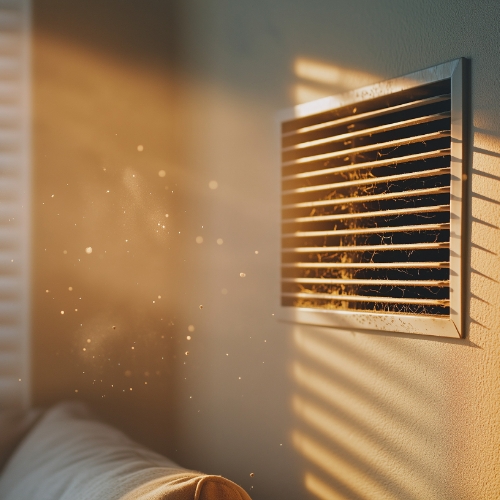
When your HVAC system runs, it doesn’t just move conditioned air; it can also carry microscopic irritants and allergens throughout your home. 

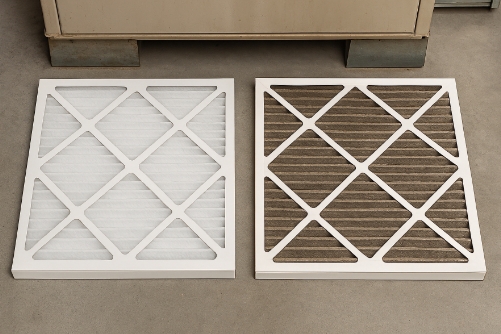
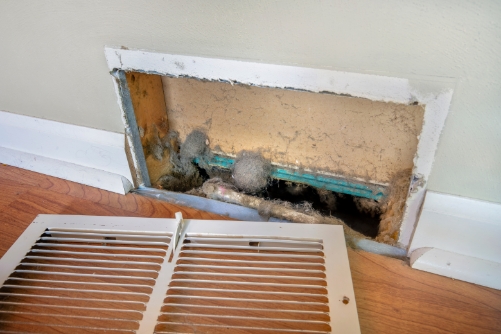
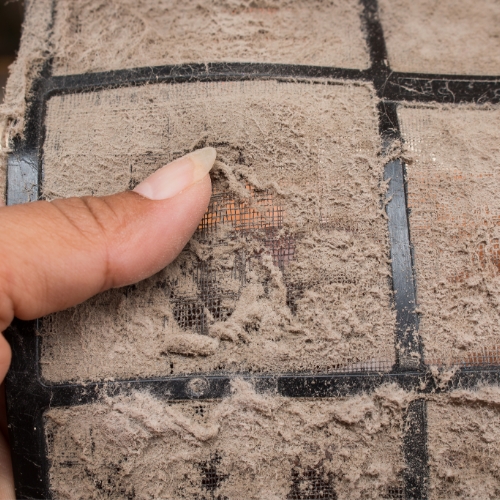
Over time, common allergens like pollen, mold spores, pet dander, and dust mites accumulate within your air ducts. 

When these ducts aren’t cleaned regularly, your HVAC system acts like a giant blower, distributing these trapped particles through every room your family breathes in.

This constant circulation of allergens can:

  • Worsen Allergy and Asthma Symptoms: Leading to more frequent and severe reactions.
  • Trigger Coughing, Sneezing, and Sinus Issues: Making everyday comfort elusive.
  • Contribute to Poor Sleep Quality: As nasal congestion and irritation disrupt rest.
  • Irritate Sensitive Skin and Eyes: Causing itchiness and discomfort.

    Common Sources of Indoor Allergens in Fredericksburg Homes

    In Fredericksburg neighborhoods like Idlewild, Celebrate Virginia, and Olde Towne, we frequently encounter specific indoor allergen sources that professional duct cleaning can address:

    • Pollen: The region’s dense trees and abundant green spaces mean high pollen counts that inevitably find their way into your home and ductwork.
    • Clay Dust: Unique to our local soil, fine clay particles can easily settle within duct systems, contributing to indoor dust.
    • Pet Hair and Dander: A significant and pervasive allergen, especially in multi-pet households.
    • Mold and Mildew: Our humid summers and areas with poor ventilation can encourage mold spores to thrive in damp duct environments.
    • Dust Mites: These microscopic pests love warm, dusty environments, including the hidden confines of your air ducts.

    Routine professional duct cleaning helps to significantly reduce the presence of all these common indoor allergens, offering measurable relief.

      Dryer vent cleaning | Kefficient | Richmond, VA
      Dryer vent cleaning | Kefficient | Richmond, VA

      When to Schedule Duct Cleaning for Allergy Relief

      The optimal time to have your air ducts cleaned for allergy relief is often before allergy season begins, typically in late winter or early spring. This proactively removes accumulated allergens before your HVAC system starts pushing them heavily throughout your home.

      However, if you haven’t had your ducts cleaned in over 3 years, or if your allergy symptoms seem noticeably worse indoors, it’s a good idea to schedule a cleaning regardless of the season.

      Other key times to consider a professional duct cleaning include:

      • After Major Home Renovations or Construction: Construction debris, dust, and particles settle everywhere, including your ducts.
      • After a Mold Issue or Pest Infestation: To ensure all spores or waste are thoroughly removed from the system.
      • When Moving Into a New or Previously Owned Home: You inherit the previous occupants’ dust and allergen history.
      • If You Notice Excessive Dust on Surfaces despite regular cleaning, indicating your ducts are recirculating debris.

          Benefits of Duct Cleaning Beyond Allergy Relief

          While providing significant allergy relief is a primary reason to clean your ducts, it’s certainly not the only one. In addition to creating a healthier breathing environment, routine duct cleaning offers several other valuable benefits that can improve your overall home comfort and quality of life:

          • Better HVAC Performance and Energy Efficiency: Clean ducts allow your heating and cooling system to operate more freely, reducing strain and improving overall efficiency.
          • Lower Heating and Cooling Costs: An efficient HVAC system uses less energy, which can lead to noticeable savings on your utility bills.
          • Extended Lifespan of Your HVAC Equipment: By reducing wear and tear, regular cleaning helps protect your significant investment in your heating and cooling system.
          • Elimination of Musty or Stale Odors: Removing trapped contaminants helps get rid of lingering, unpleasant smells circulating through your home.
          • Cleaner Home Environment Overall: With fewer dust particles recirculating from your ducts, you may find yourself dusting less often!
            Dryer vent cleaning | Kefficient | Richmond, VA
            Dryer vent cleaning | Kefficient | Richmond, VA

            Why Fredericksburg Homes Need Special Attention

            Fredericksburg’s unique blend of historic homes, newer developments, and varied soil conditions (including heavy clay and areas prone to poor drainage) means that many HVAC systems here work harder than average. 

            This often results in more dust circulation and a higher potential for allergen buildup within ductwork.

            Additionally, many homes in popular Fredericksburg neighborhoods like Lee’s Hill, River Club, and Chancellor rarely get regular duct inspections unless a noticeable issue arises. 

            This can mean missing critical opportunities to prevent chronic indoor air problems, costly HVAC repairs, or persistent health-related discomfort. Staying proactive with routine air duct cleaning ensures your indoor air stays healthy and comfortable all year long.

              Breathe Easier This Season: Schedule Your Duct Cleaning with Kefficient!

              If you’re a homeowner in Fredericksburg or one of our nearby communities and you’re struggling with indoor allergies, it’s time to take control of your home’s air quality.

              Schedule your professional duct cleaning with Kefficient today! Call us directly or book online to get started. Our experienced team will thoroughly clean your entire HVAC system, helping to effectively reduce allergens at their source and creating a noticeably healthier indoor environment for your family.

                Duct Cleaning in Fredericksburg – Frequently Asked Questions

                How often should I have my air ducts cleaned in Fredericksburg?

                Most homes benefit from professional duct cleaning every 3 to 5 years. However, if you or family members suffer from allergies, if you have pets, or if you’ve recently undergone a major home renovation, more frequent cleaning—every 2 to 3 years—is highly recommended.

                Can duct cleaning really help with allergies?

                Yes, absolutely. By effectively removing accumulated dust, pollen, mold spores, pet dander, and other irritants from your ductwork, professional cleaning can significantly reduce indoor allergens and improve your overall indoor air quality, leading to noticeable allergy relief.

                What are the common signs that my ducts need cleaning?

                Key indicators include increased dust on surfaces (even after cleaning), musty or stale odors coming from your vents when the HVAC is running, worsening allergy or respiratory symptoms indoors, and inconsistent airflow from room to room.

                Is duct cleaning safe for my HVAC system?

                Yes, when performed by trained and certified professionals. At Kefficient, we use NADCA-recommended practices and specialized, powerful equipment designed to clean your ducts thoroughly without causing any damage to your HVAC system or ductwork.

                Do you offer air duct cleaning services in Fredericksburg?

                Absolutely. Kefficient proudly serves Fredericksburg and all nearby communities with expert air duct cleaning services designed to improve home comfort and promote a healthier living environment.

                Don’t Wait for Mold to enter your home Take Control Today!


                Mold spreads quietly and quickly, and the longer conditions stay the same, the more ground it covers. If you've spotted growth in your crawl space or basement, or you're dealing with recurring musty odors that won't go away, the most useful next step is an honest assessment of what's actually there. Kefficient offers free mold inspections for homeowners in Richmond and across central and eastern Virginia. The inspection covers the visible growth, the areas around it, and the moisture conditions driving it, so you know the full picture before any decisions are made.