skip to main content

Foundation Cracks and What They Mean for Your Home’s Safety

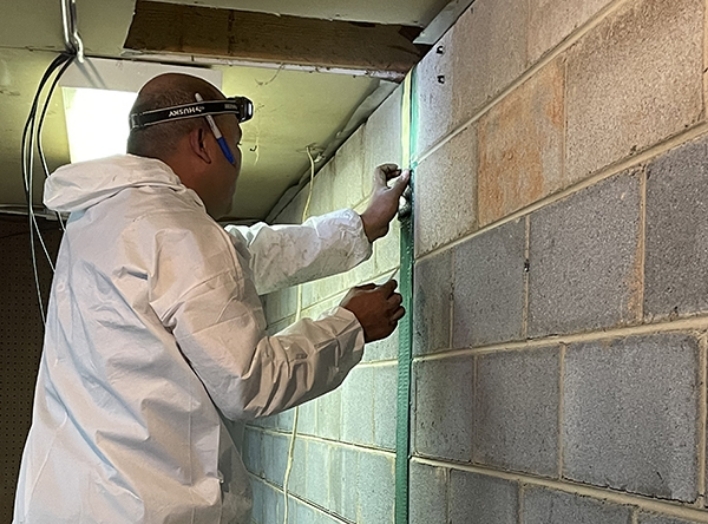
A small crack in your foundation might not seem like a big deal, but it could be a warning sign of serious structural problems. Blocking foundation cracks can lead to uneven floors, sticking doors, and compromised safety

Understanding the causes, assessing the severity, and knowing when to call a foundation repair expert can help protect your home and investment.

How the Stack Effect Spreads Crawl Space Mold Through Your Virginia Home

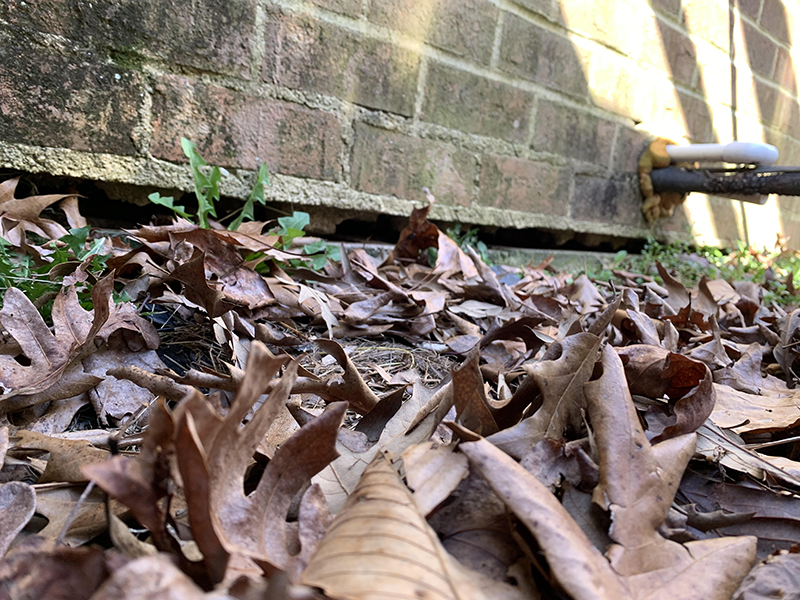
Most homeowners in Virginia know their crawl space can get damp in spring. Fewer understand how that moisture moves. The stack effect pulls air from the crawl space up through the floor and into the living space above, and in spring, when outdoor humidity climbs fast and vented crawl spaces pull that air in, it carries whatever is growing underneath the home right along with it. Mold that starts on a floor joist in March can be circulating through the HVAC system by May.

The Stack Effect and What It Means for Your Home

Air moves through a home from the bottom up. As warm air rises and escapes through the upper levels, it pulls replacement air in from below. In homes with crawl spaces, that replacement air comes from underneath the floor. This is called the stack effect, and it runs constantly regardless of the season. In spring, it becomes a problem.

When outdoor humidity spikes in Virginia, vented crawl spaces pull that humid air directly into the home. It moves up through gaps in the subfloor, around pipes and ductwork, and into the living space above. Homeowners feel it as a general stuffiness or a musty quality to the air that wasn’t there through the winter. The HVAC system works harder trying to condition air that is being continuously replaced by uncontrolled outside air from below. Energy bills climb. The air quality in the home drops. The source of both is underfoot.

How Mold Spreads From the Crawl Space Up

The same humid air the stack effect pulls into the home first passes through the crawl space. Wood framing, floor joists, and insulation absorb that moisture. In the temperature range Virginia sits in during spring, mold doesn’t need long to take hold on a damp wood surface. It spreads across floor joists and into the subfloor before it produces any smell or visible sign inside the living space.

By the time a homeowner notices a musty odor coming through the floors, mold has typically been growing for more than one season. The stack effect then carries those spores upward into the home, where they circulate through the HVAC system and into the air the household breathes every day. Treating the mold without addressing the moisture and airflow that caused it means the same cycle starts again the following spring.

How Kefficient Can Help

Crawl space encapsulation breaks the cycle at the source. Sealing the crawl space from outside air stops the humid air intrusion that drives both the stack effect and mold growth. A properly encapsulated crawl space maintains a stable environment year round, which means the problems that return every spring stop returning.

For mold that has already started to grow, we perform expert mold remediation services. Our expert technicians fully inspect the areas where mold may be taking root and then develop a plan on how to remove the mold so it doesn’t come back. Our services aren’t just about repairing the damage but also restoring the health of your home. 

Kefficient inspects and repairs crawl spaces across the Richmond area. If the signs described here feel familiar, a free inspection will show exactly what is happening underneath the home and what it will take to fix it.

Contact Us Today

What Causes Foundation Cracks?

Foundation cracks develop for a variety of reasons, including:

  • Soil Movement – Expanding and contracting soil due to moisture changes can put pressure on your foundation.
  • Hydrostatic Pressure – Excess water around the foundation creates pressure, leading to cracks and potential leaks.
  • Poor Construction – A weak foundation due to inadequate materials or poor craftsmanship can develop cracks over time.
  • Settling and Shifting – Homes naturally settle, but excessive shifting can indicate deeper structural issues.

How to Assess the Severity of a Foundation Crack

Not all cracks require immediate repair, but some are definite red flags. Here’s how to assess the severity:

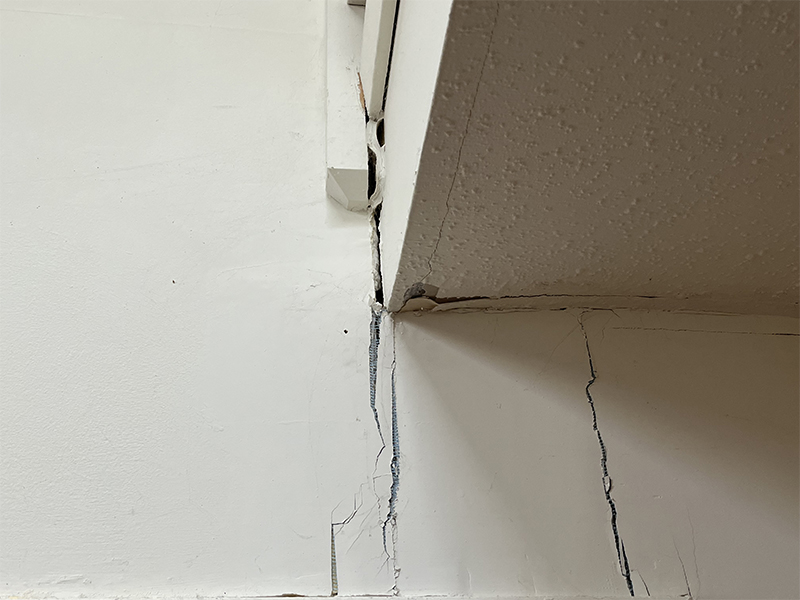
  • Hairline Cracks – These are usually minor and result from normal settling. However, if they grow larger, they may require attention.
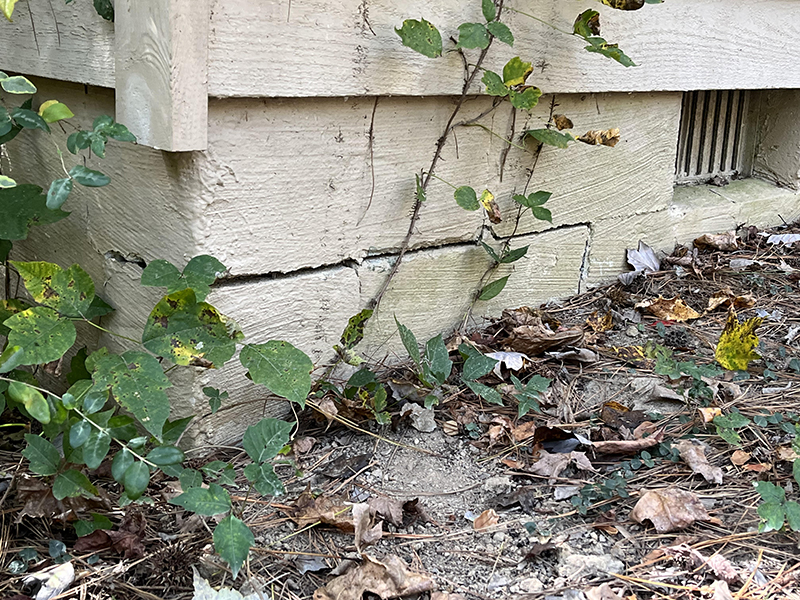
  • Horizontal Cracks – A serious sign of pressure from soil or water, horizontal cracks indicate a compromised foundation.
  • Stair-Step Cracks – Found in brick or block foundations, these can suggest structural shifting.
  • Wide or Growing Cracks – If a crack is wider than 1/8 inch or continues to expand, it’s time to call an expert.
Foundation Repair Services

Signs That Your Home’s Foundation Needs Immediate Attention

In addition to visible cracks, other warning signs of foundation problems include:

  • Uneven or sloping floors
  • Doors and windows that stick or won’t close properly
  • Gaps around doors and windows
  • Bowing or leaning walls
  • Moisture issues in the basement or crawl space

Don’t Wait for a Flood Take Control Today!


Worried about water in your Chesterfield basement? Let our local experts help you find a lasting solution. Schedule a free, no-obligation inspection with Kefficient today and protect your home from future water damage. Your dry, healthy basement awaits!