

skip to main content

How Often Should You Clean Your Dryer Vent in Virginia?

A wet basement in your Chesterfield home isn't just an inconvenience – it's a flashing red light signaling a deeper issue. Left unaddressed, persistent moisture can lead to serious problems like foundation damage, unhealthy mold growth, and ruined personal property. With Virginia's often unpredictable weather and our region's water-retentive clay soils, moisture intrusion is a common concern for local homeowners.
But what's truly behind the water in your basement? In this post, we'll break down the most frequent causes of basement water problems in Chesterfield and explain what you can do to stop them for good. 
Whether you've noticed puddles on the floor, mysterious water stains on the walls, or just that familiar musty smell, this guide will help you identify the issue – and find a lasting fix.
How the Stack Effect Spreads Crawl Space Mold Through Your Virginia Home

Most homeowners in Virginia know their crawl space can get damp in spring. Fewer understand how that moisture moves. The stack effect pulls air from the crawl space up through the floor and into the living space above, and in spring, when outdoor humidity climbs fast and vented crawl spaces pull that air in, it carries whatever is growing underneath the home right along with it. Mold that starts on a floor joist in March can be circulating through the HVAC system by May.

The Stack Effect and What It Means for Your Home

Air moves through a home from the bottom up. As warm air rises and escapes through the upper levels, it pulls replacement air in from below. In homes with crawl spaces, that replacement air comes from underneath the floor. This is called the stack effect, and it runs constantly regardless of the season. In spring, it becomes a problem.

When outdoor humidity spikes in Virginia, vented crawl spaces pull that humid air directly into the home. It moves up through gaps in the subfloor, around pipes and ductwork, and into the living space above. Homeowners feel it as a general stuffiness or a musty quality to the air that wasn’t there through the winter. The HVAC system works harder trying to condition air that is being continuously replaced by uncontrolled outside air from below. Energy bills climb. The air quality in the home drops. The source of both is underfoot.

How Mold Spreads From the Crawl Space Up

The same humid air the stack effect pulls into the home first passes through the crawl space. Wood framing, floor joists, and insulation absorb that moisture. In the temperature range Virginia sits in during spring, mold doesn’t need long to take hold on a damp wood surface. It spreads across floor joists and into the subfloor before it produces any smell or visible sign inside the living space.

By the time a homeowner notices a musty odor coming through the floors, mold has typically been growing for more than one season. The stack effect then carries those spores upward into the home, where they circulate through the HVAC system and into the air the household breathes every day. Treating the mold without addressing the moisture and airflow that caused it means the same cycle starts again the following spring.

How Kefficient Can Help

Crawl space encapsulation breaks the cycle at the source. Sealing the crawl space from outside air stops the humid air intrusion that drives both the stack effect and mold growth. A properly encapsulated crawl space maintains a stable environment year round, which means the problems that return every spring stop returning.

For mold that has already started to grow, we perform expert mold remediation services. Our expert technicians fully inspect the areas where mold may be taking root and then develop a plan on how to remove the mold so it doesn’t come back. Our services aren’t just about repairing the damage but also restoring the health of your home. 

Kefficient inspects and repairs crawl spaces across the Richmond area. If the signs described here feel familiar, a free inspection will show exactly what is happening underneath the home and what it will take to fix it.

Contact Us Today

lint-trap-cleaning

Recommended Cleaning Frequency

So, how often should you clean your dryer vent?

The general rule is at least once a year. However, depending on your home’s setup and usage, more frequent cleanings might be necessary.

  • Annual cleaning is sufficient for most average households.
  • Every 6 months is better for homes that do laundry multiple times per week, especially with large families.

Quarterly cleaning may be necessary for properties with high dryer use, such as rental homes or those with pets.

Factors That Affect Cleaning Needs

Dryer vent maintenance isn’t one-size-fits-all. Here are some variables that affect how often you should clean:

Household size and laundry habits

The more laundry you do, the faster lint builds up. If your dryer runs daily, consider a biannual cleaning schedule.

Vent material and length

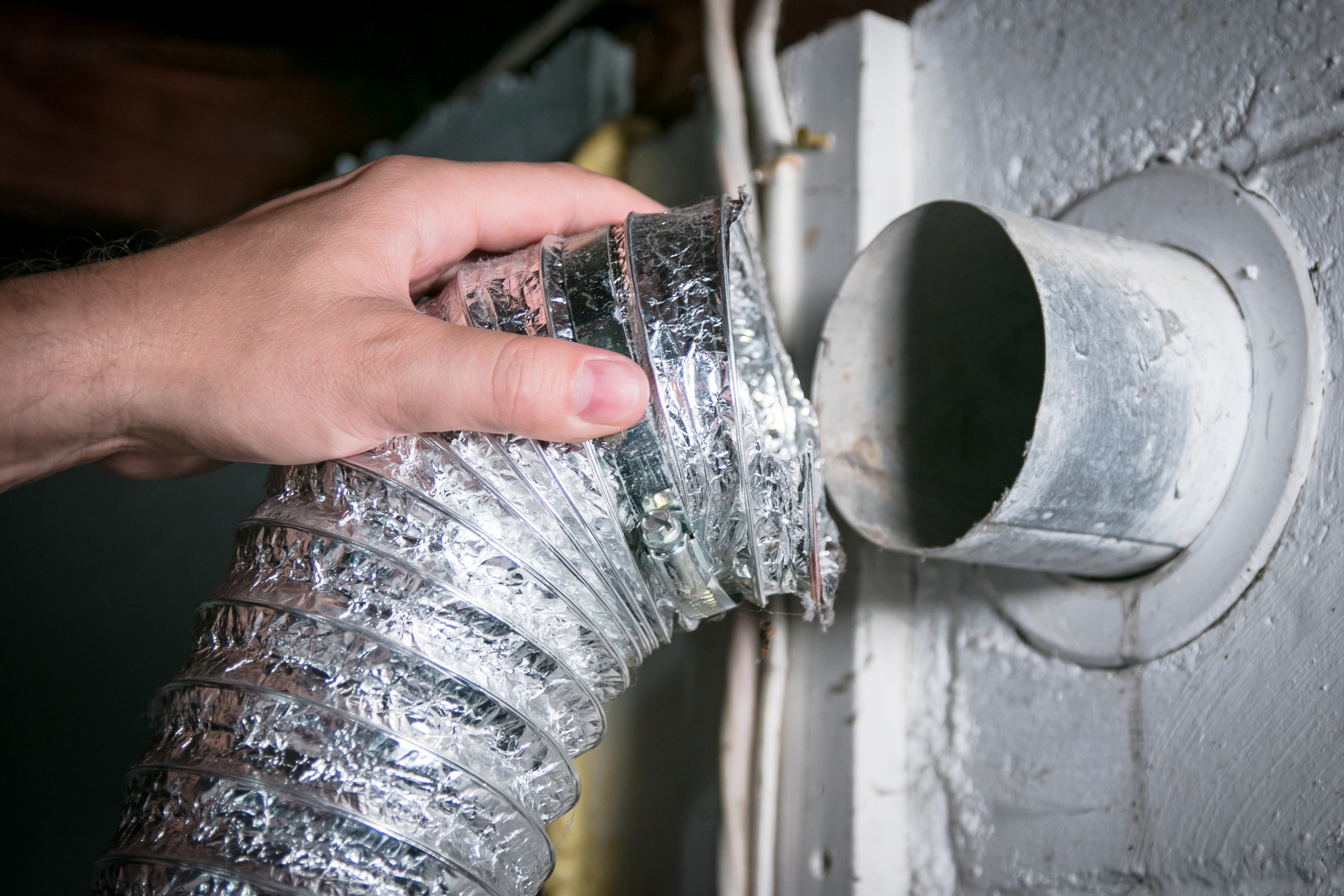
Long or flexible plastic vent tubing can trap more lint than short, rigid metal ducts. Homes with older or complex vent layouts need more frequent checks.

Pets and allergens

Homes with pets tend to accumulate more fur and dander, which can clog vents faster. Regular vent cleaning also helps improve indoor air quality if allergies are an issue.

    Warning Signs Your Dryer Vent Needs Cleaning

    Not sure if your vent is due for service? Here are a few red flags:

    Longer drying times

    If your clothes are taking more than one cycle to dry, restricted airflow is often the culprit.

    Burning smells or heat buildup

    A burning smell or excessively hot dryer top can indicate lint buildup that could ignite.

    Visible lint or debris at vent opening

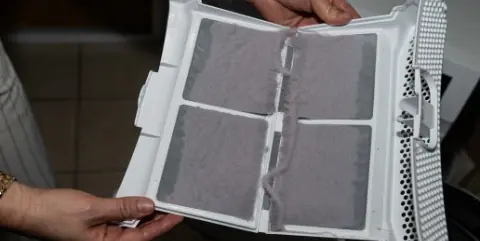
    Check the exterior vent. If you see lint, it’s likely the line is full.

    Local Considerations for Virginia Homes

    Virginia homeowners face unique factors that make dryer vent cleaning even more important:

    • Richmond & Fredericksburg: Seasonal humidity increases lint clumping, which can block vent airflow.
    • Charlottesville: Older homes often have long, winding vent lines that trap debris.
    • Chesterfield: Larger suburban homes may have vents running through attics or crawl spaces, which are harder to monitor.

    No matter where you live in Virginia, routine dryer vent cleaning helps prevent problems before they start.

      Dryer vent cleaning | Kefficient | Richmond, VA
      video-kefficient-customer-testimonial

      Professional vs DIY: What’s Right for You?

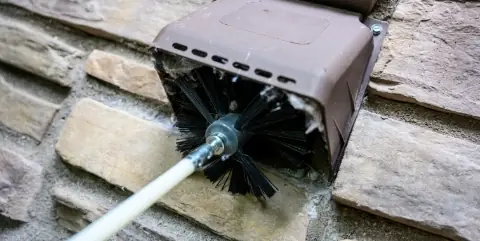
      While it’s possible to clean a dryer vent yourself using a store-bought brush or vacuum kit, hiring a professional ensures the job is done thoroughly and safely. At Kefficient, we use specialized tools to clean every inch of the vent line—not just the areas you can reach.

      Professional cleaning is also faster and helps identify other issues, such as duct damage or disconnected fittings, which are common in older homes or after renovations.

          Schedule Dryer Vent Cleaning with Kefficient

          Routine dryer vent cleaning is a small investment that delivers big benefits: safer operation, better energy efficiency, and peace of mind.

          Whether you’re in Richmond, Charlottesville, Chesterfield, or Fredericksburg, Kefficient is your local expert for thorough, professional dryer vent cleaning.

          Don’t wait until there’s a problem. Schedule your dryer vent cleaning today and keep your home safe, efficient, and worry-free.

            Dryer Vent Cleaning in Virginia: Frequently Asked Questions

            How do I know if my dryer vent needs cleaning?

            Common signs include longer drying times, a hot dryer surface, a burning smell during operation, and visible lint buildup around the vent opening. If you notice any of these, it’s time to schedule a cleaning.

            Is it dangerous to skip dryer vent cleaning?

            Yes. Clogged dryer vents are a leading cause of house fires in the U.S. Neglecting cleaning can also reduce dryer efficiency and increase energy bills.

            Can I clean my dryer vent myself?

            You can clean parts of the vent using a brush or vacuum attachment, but a professional cleaning ensures the entire system—including hard-to-reach areas—is properly cleared.

            How often should I clean my dryer vent if I have pets?

            If you have pets that shed, lint and dander accumulate faster. We recommend cleaning every 6 months to maintain airflow and reduce allergens.

            Does Kefficient offer dryer vent cleaning near me?

            Yes! Kefficient provides professional dryer vent cleaning in Richmond, Charlottesville, Chesterfield, Fredericksburg, and nearby areas. View our service areas here.

            Don’t Wait for a Flood Take Control Today!


            Worried about water in your Chesterfield basement? Let our local experts help you find a lasting solution. Schedule a free, no-obligation inspection with Kefficient today and protect your home from future water damage. Your dry, healthy basement awaits!