
skip to main content

Does My Crawl Space Need a Dehumidifier?

In Richmond, summer humidity can be brutal. But while you may be comfortable in the AC, that out-of-sight, out-of-mind crawl space below is definitely feeling the heat.

That’s why most people are surprised to discover a problem in their crawl space, because it’s often a forgotten part of their home, but it shouldn’t be. For most homes, up to 60% of the air in it comes from the crawl space, and when it becomes humid and damp, it quickly becomes a problem.

At Kefficient, one of the most common questions we’re asked about crawl spaces has to do with dehumidifiers and whether every crawl space needs one. The short answer is yes because, without one, the risk of your crawl space developing issues like wood rot and mold increases dramatically - even if the crawl space is encapsulated!
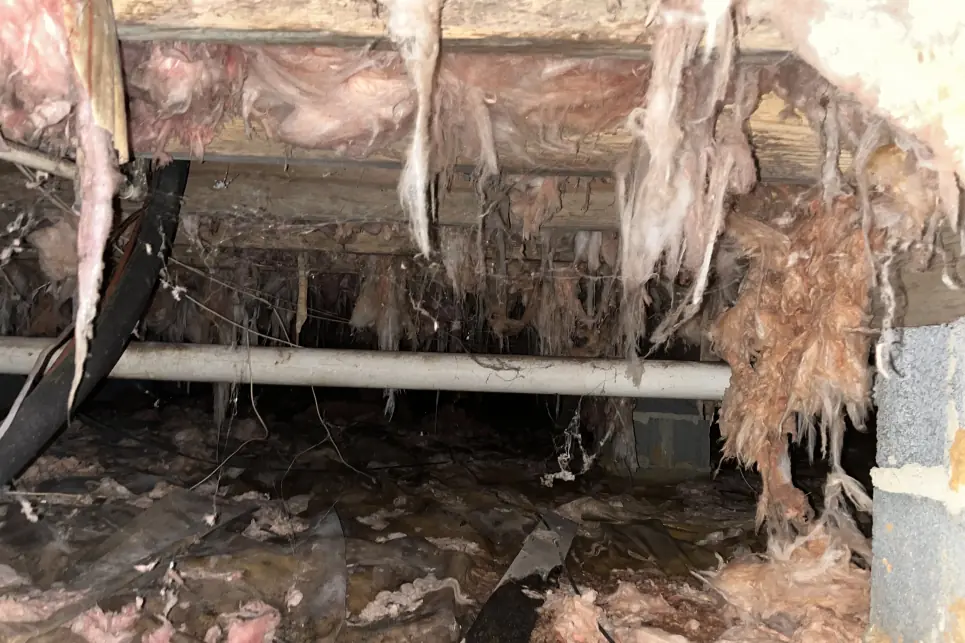
How the Stack Effect Spreads Crawl Space Mold Through Your Virginia Home

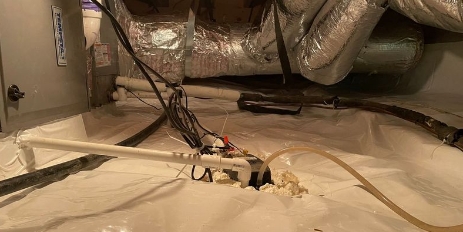
Most homeowners in Virginia know their crawl space can get damp in spring. Fewer understand how that moisture moves. The stack effect pulls air from the crawl space up through the floor and into the living space above, and in spring, when outdoor humidity climbs fast and vented crawl spaces pull that air in, it carries whatever is growing underneath the home right along with it. Mold that starts on a floor joist in March can be circulating through the HVAC system by May.

The Stack Effect and What It Means for Your Home

Air moves through a home from the bottom up. As warm air rises and escapes through the upper levels, it pulls replacement air in from below. In homes with crawl spaces, that replacement air comes from underneath the floor. This is called the stack effect, and it runs constantly regardless of the season. In spring, it becomes a problem.

When outdoor humidity spikes in Virginia, vented crawl spaces pull that humid air directly into the home. It moves up through gaps in the subfloor, around pipes and ductwork, and into the living space above. Homeowners feel it as a general stuffiness or a musty quality to the air that wasn’t there through the winter. The HVAC system works harder trying to condition air that is being continuously replaced by uncontrolled outside air from below. Energy bills climb. The air quality in the home drops. The source of both is underfoot.

How Mold Spreads From the Crawl Space Up

The same humid air the stack effect pulls into the home first passes through the crawl space. Wood framing, floor joists, and insulation absorb that moisture. In the temperature range Virginia sits in during spring, mold doesn’t need long to take hold on a damp wood surface. It spreads across floor joists and into the subfloor before it produces any smell or visible sign inside the living space.

By the time a homeowner notices a musty odor coming through the floors, mold has typically been growing for more than one season. The stack effect then carries those spores upward into the home, where they circulate through the HVAC system and into the air the household breathes every day. Treating the mold without addressing the moisture and airflow that caused it means the same cycle starts again the following spring.

How Kefficient Can Help

Crawl space encapsulation breaks the cycle at the source. Sealing the crawl space from outside air stops the humid air intrusion that drives both the stack effect and mold growth. A properly encapsulated crawl space maintains a stable environment year round, which means the problems that return every spring stop returning.

For mold that has already started to grow, we perform expert mold remediation services. Our expert technicians fully inspect the areas where mold may be taking root and then develop a plan on how to remove the mold so it doesn’t come back. Our services aren’t just about repairing the damage but also restoring the health of your home. 

Kefficient inspects and repairs crawl spaces across the Richmond area. If the signs described here feel familiar, a free inspection will show exactly what is happening underneath the home and what it will take to fix it.

Contact Us Today

What Do Crawl Space Dehumidifiers Actually Do?

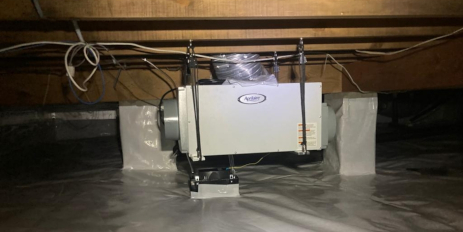
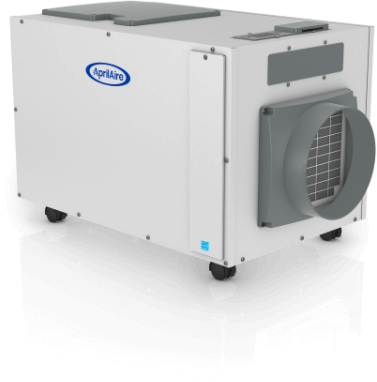
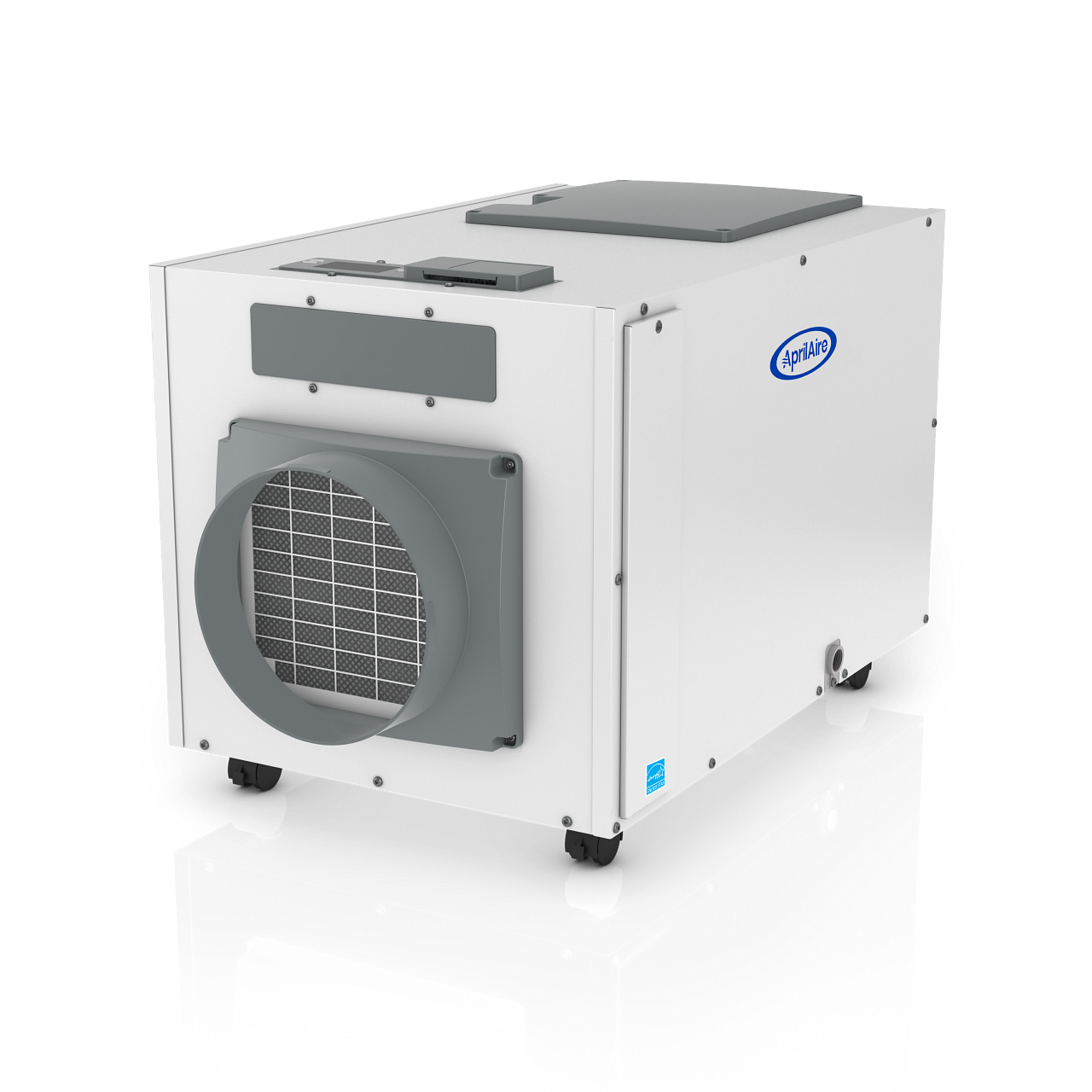
A crawl space dehumidifier is a device that reduces the humidity levels in the crawl space. It works by drawing in moist air and removing the excess moisture, typically through condensation. By controlling the humidity levels, crawl space dehumidifiers improve indoor air quality, reduce the risk of mold growth, and prevent structural damage.

Installing a crawl space dehumidifier also provides additional benefits:

  • Lower Electric Bill: High humidity levels make your air conditioning system work harder to cool your home, leading to higher utility bills.
  • Extended HVAC Lifespan: A crawl space dehumidifier can also improve the lifespan of your HVAC system by reducing the workload and leading to fewer breakdowns.
  • Improved Indoor Air Quality: Controlling the humidity levels in your crawl space can also prevent musty odors, making your home more comfortable and pleasant.

What Are The Signs That My Crawl Space Needs a Dehumidifier?

The signs your crawl space needs a dehumidifier can be subtle but become unmistakable. These include musty odors, condensation on pipes and fixtures, and mold growth. Exposure to mold spores can cause respiratory issues, such as allergies, asthma, and other health problems. High humidity levels, combined with Richmond’s summer heat, can also cause wood rot and cause the floor above your crawl space to sag, commonly described as cupping floors.

If you notice any of these signs, it’s important to act sooner rather than later. If caught in time, installing a crawl space dehumidifier can remove excess moisture, improve indoor air quality, and prevent mold growth and health issues caused by mold exposure.

Foundation Repair Services
Dehumidifiers

How Do I Select The Right Dehumidifier For My Home?

When selecting a crawl space dehumidifier, there’s a lot to consider. For starters, knowing the size of your crawl space is crucial in determining the right size of the unit. If your crawl space is large, you will need a dehumidifier with a higher capacity. The energy efficiency of the dehumidifier is also essential in reducing energy consumption and saving on utility bills.

In addition to understanding size, you must understand what RH level to set your dehumidifier. An RH level is a term for relative humidity, and it measures the moisture in the air of your crawl space. For most homes in Richmond, keeping your crawl space between 40-60% will create a dry environment for your crawl space. RH levels above 60% increase the humidity, causing wood rot and mold. However, if the RH level is too low, it can dry out the crawl space completely, leading to your wooden floor joists and beams cracking and causing structural damage.

The best way to think about it is like Goldilocks and the three bears – too hot, too cold, just right.

How Do I Install A Dehumidifier In My Crawl Space?

Installing a crawl space dehumidifier yourself without the right tools or level of expertise can be difficult for any homeowner. Most units need a dedicated power supply and adequate drainage to work at their peak efficiency. Determining what dehumidifier would work best in your crawl space can also be hard – but that is where we can help.

At Kefficient, our experts in Richmond can provide a free crawl space inspection offering helpful advice on what it needs to be safe from high humidity, wood rot, and mold. In addition, we can also provide hassle-free installation of an energy-efficient dehumidifier with an industry-leading warranty so that you can breathe easily.

Dehumidifier

Don’t Wait for a Flood Take Control Today!


Worried about water in your Chesterfield basement? Let our local experts help you find a lasting solution. Schedule a free, no-obligation inspection with Kefficient today and protect your home from future water damage. Your dry, healthy basement awaits!